
Art at 2,000 Meters
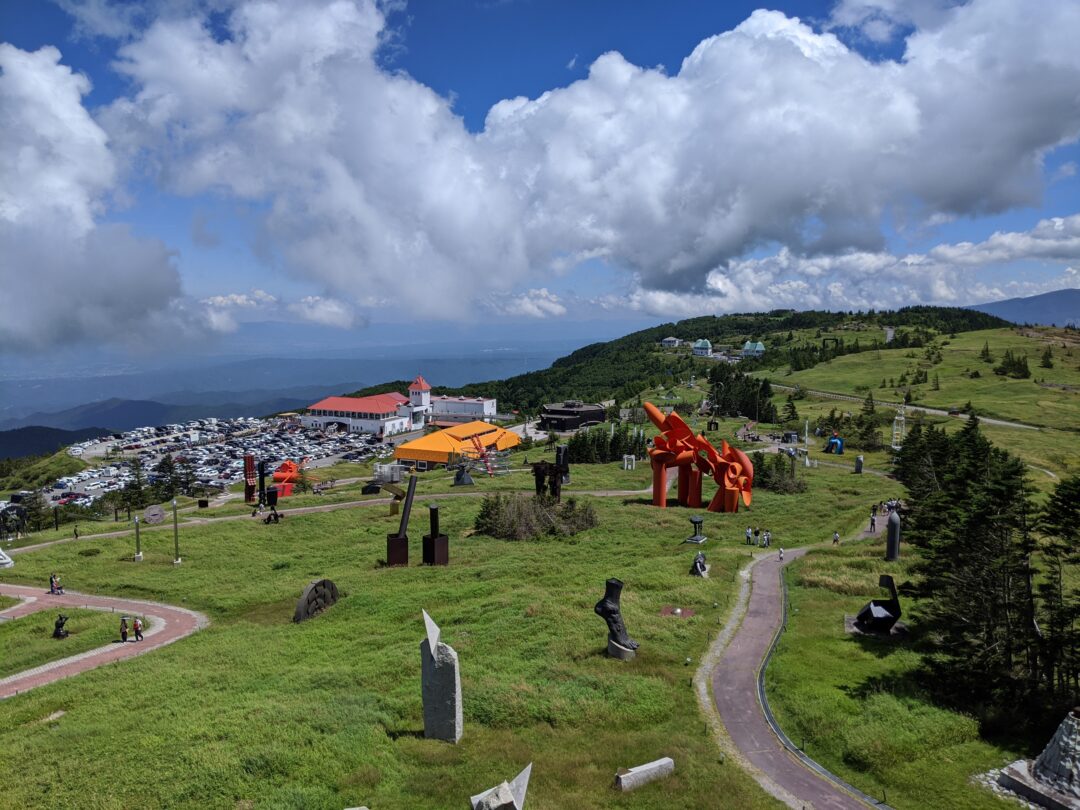
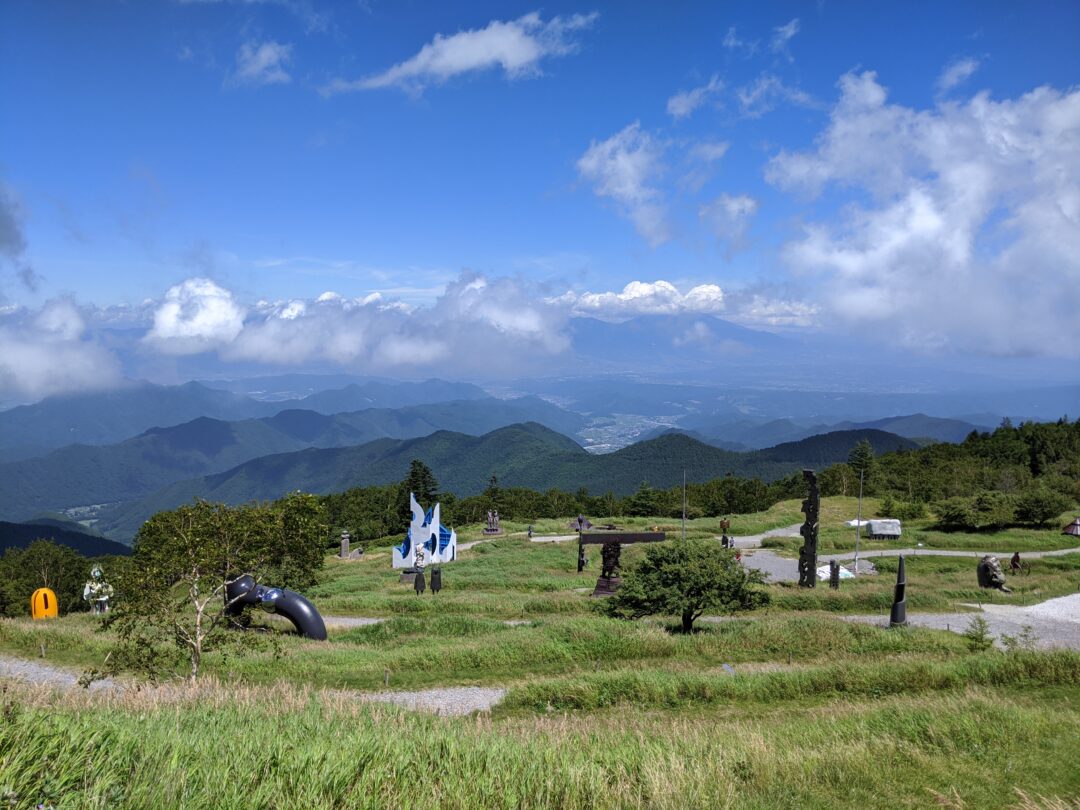
The Utsukushigahara Open Air Museum sits at 2,000 meters on a highland plateau in central Nagano prefecture. Wind affects the sculptures, fog rolls through and the temperature drops 10 degrees compared to the valley floor. This is one of Japan’s highest elevation art museums, and the setting shapes everything about it.
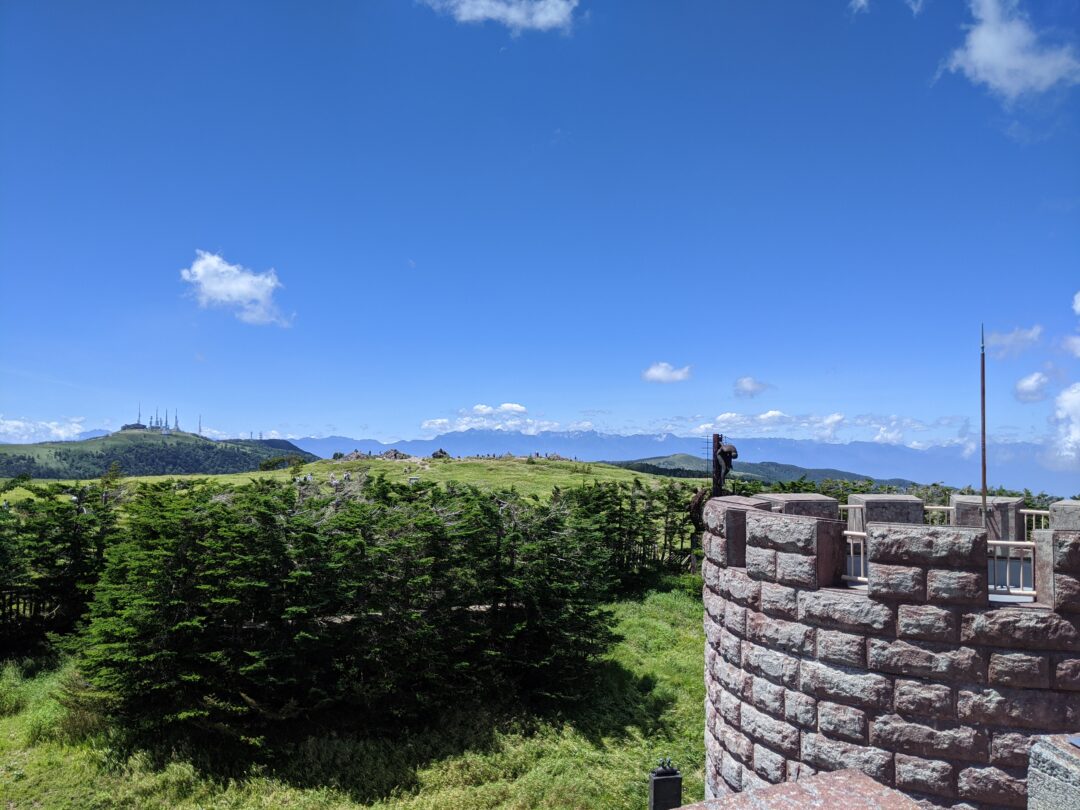
The plateau itself, Utsukushigahara Highland, spreads across Matsumoto, Ueda, and Nagawa. The main peak, Ōgatō, tops out at 2,034 meters, but most of the highland sits around 2,000 meters. It’s broad, rolling terrain has been documented as “Beautiful Plateau” in records from the late 19th and early 20th centuries. Under the grass, Utsukushigahara is the eroded top of an old lava plateau, built by repeated eruptions and then slowly shaped into broad highlands. On clear days you can see Mt. Fuji and count over 25 of Japan’s 100 Famous “Hyaku Meizan” Mountains from here.
Walking the Grounds
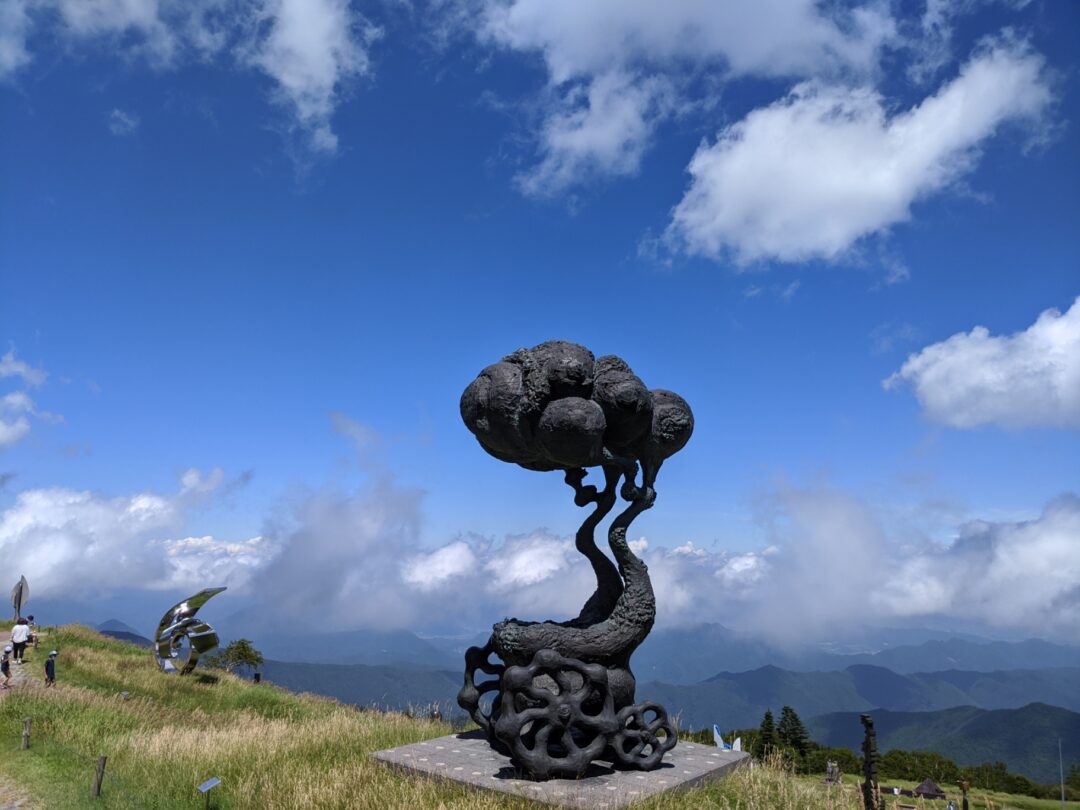
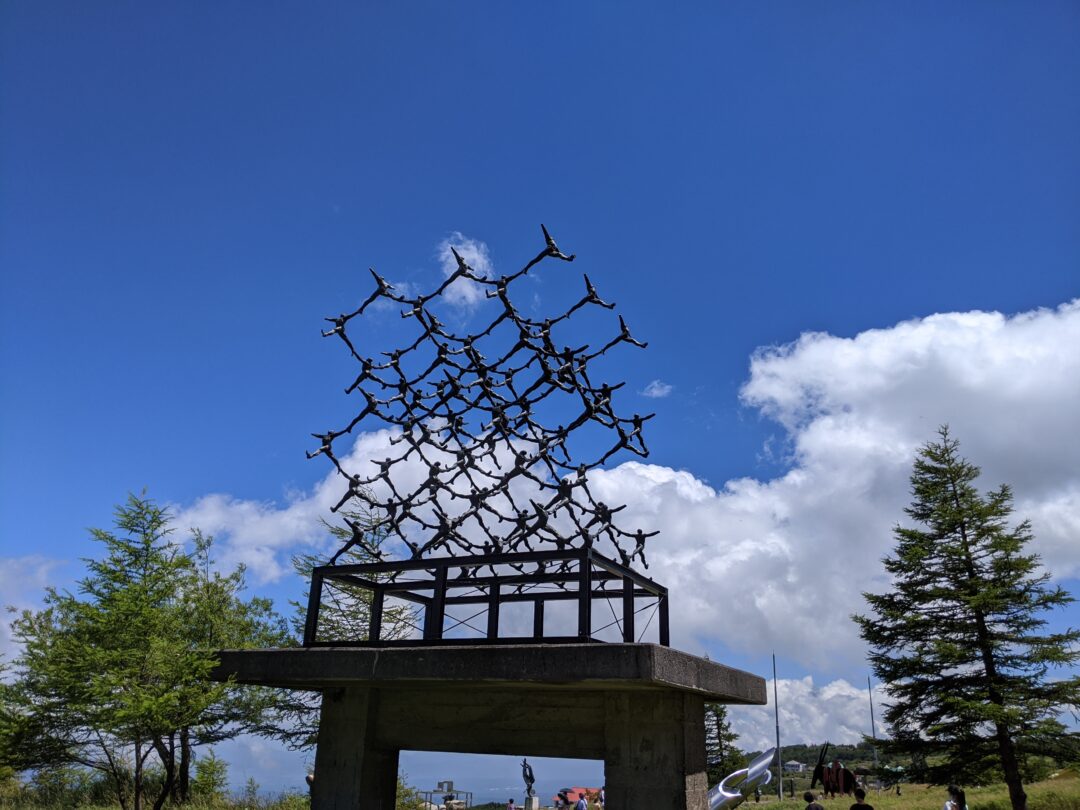
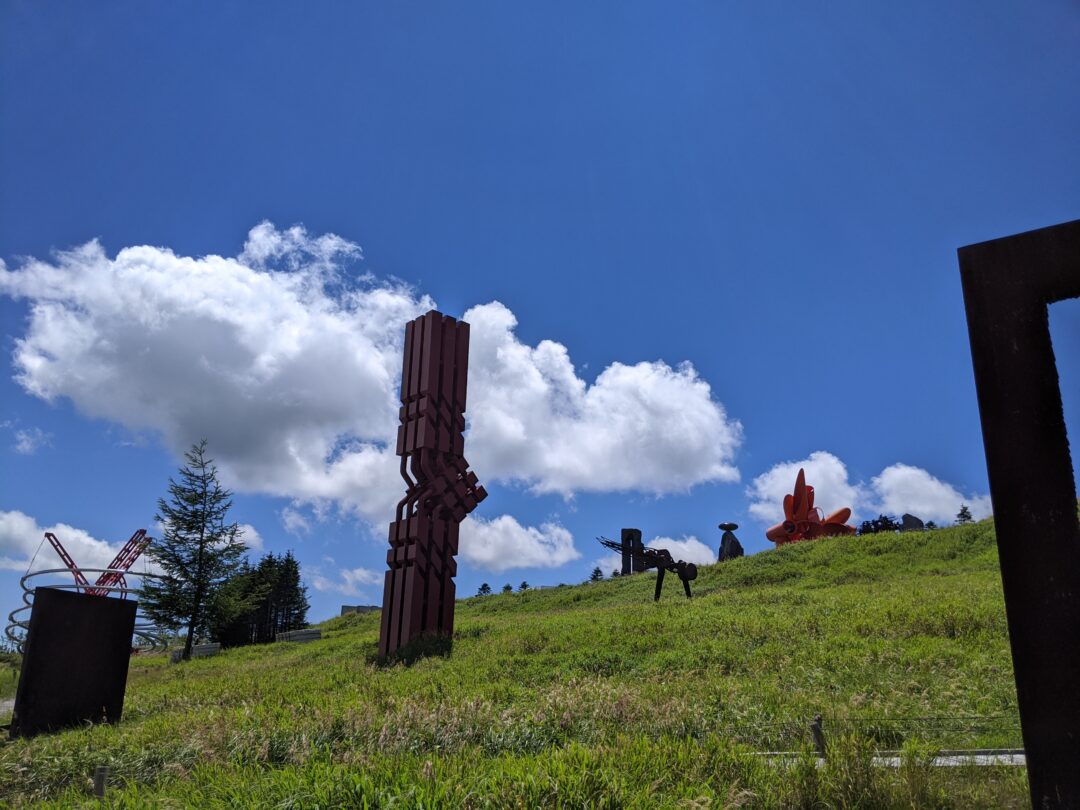
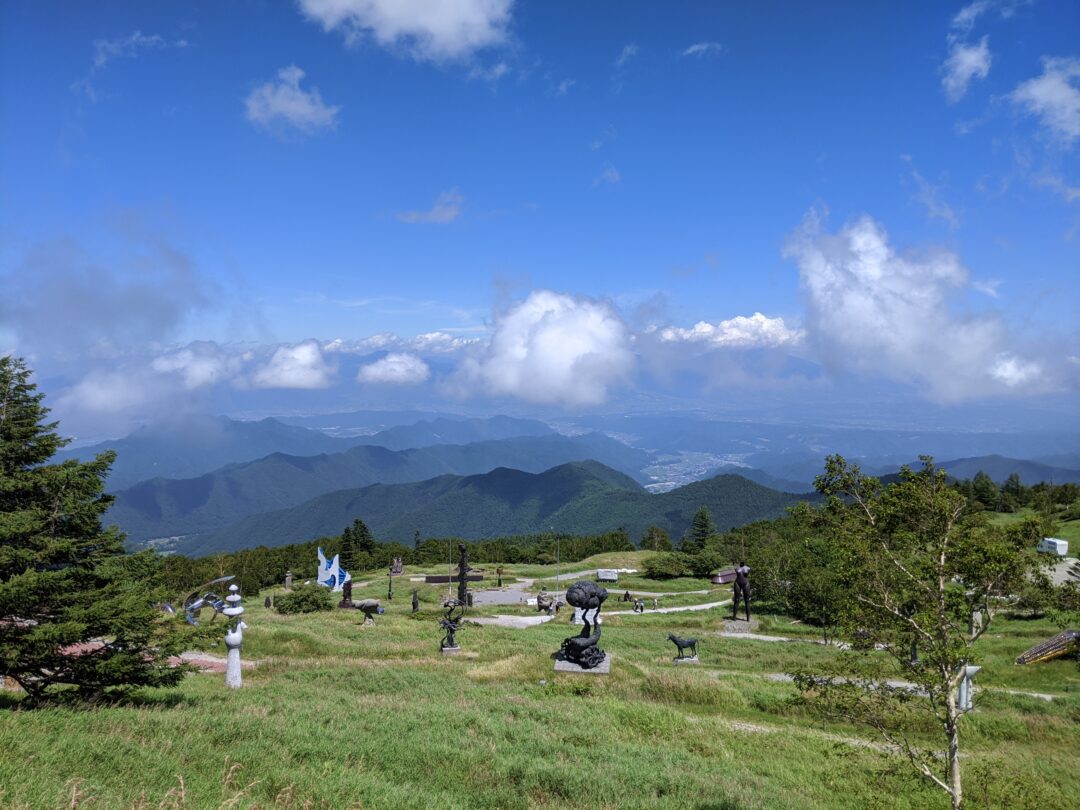
The Utsukushigahara Open Air Museum opened in June 1981, the same year the Venus Line road reached the plateau. The Fuji Sankei Group, which runs the Hakone Open-Air Museum, built this as a sister facility. It covers 13 hectares on the eastern slope of Mt. Ushibuse with about 300 contemporary sculptures spread across grass and hillside.
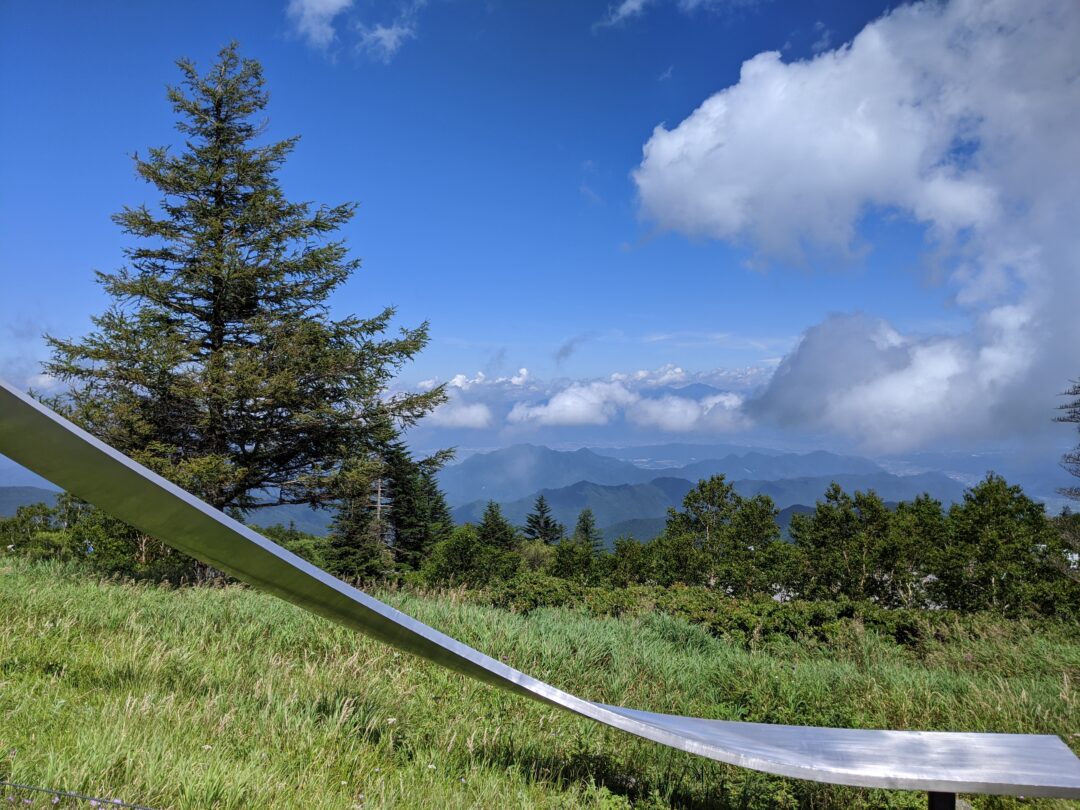
The exhibition space is outdoors, so weather matters. Morning might bring clear views to the Northern Alps. By afternoon, clouds can move across and reduce everything to gray shapes. The next day delivers brilliant sun that makes the polished steel pieces almost blinding. The sculptures stay out year-round when the museum’s open, exposed to everything the altitude throws at them.
Official Website

- See more Tours & Activities

- Read more Articles

- See more Pictures & Videos