

A Tangible Cultural Property of Japan
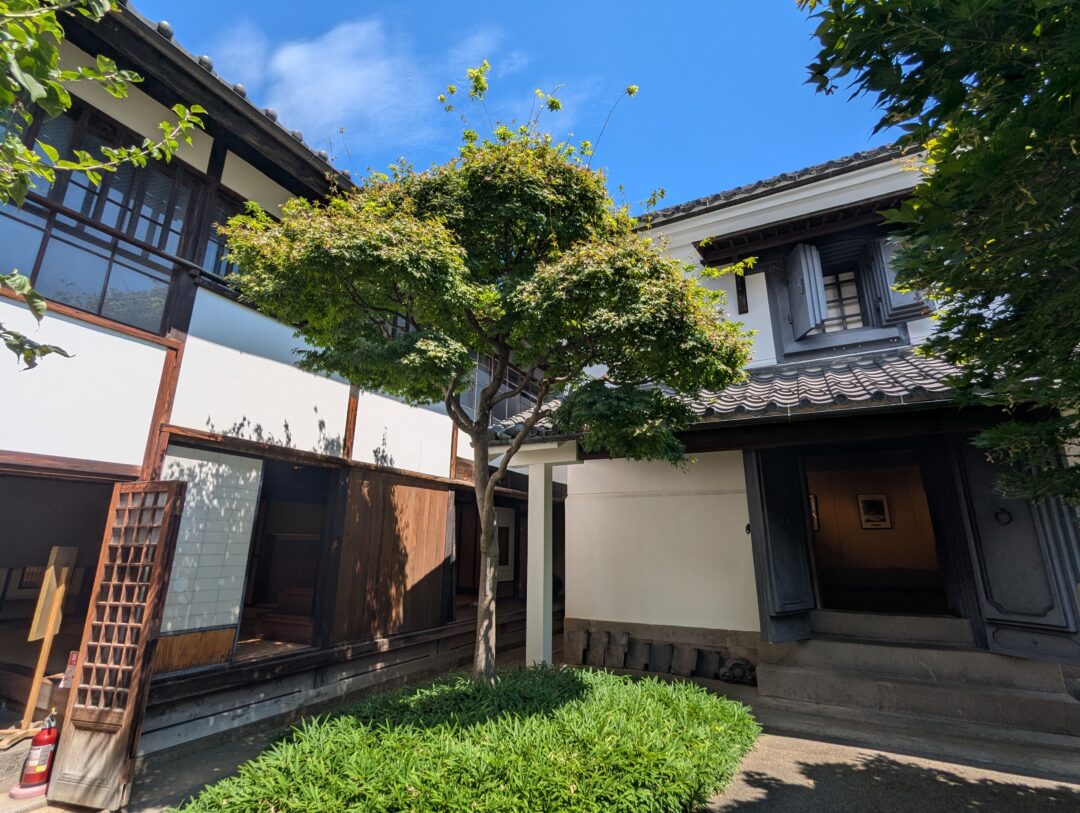
A short walk from Zenkoji Temple brings you to the former Oirai-kan, a merchant house that opens a genuine window into Nagano’s commercial past. Built by the prosperous Mikawaya family during the Edo period, this beautifully preserved building now holds status as a Registered Tangible Cultural Property of Japan (‘yūkei bunkazai’) and a rare chance to step back into the world of 19th-century Japan.
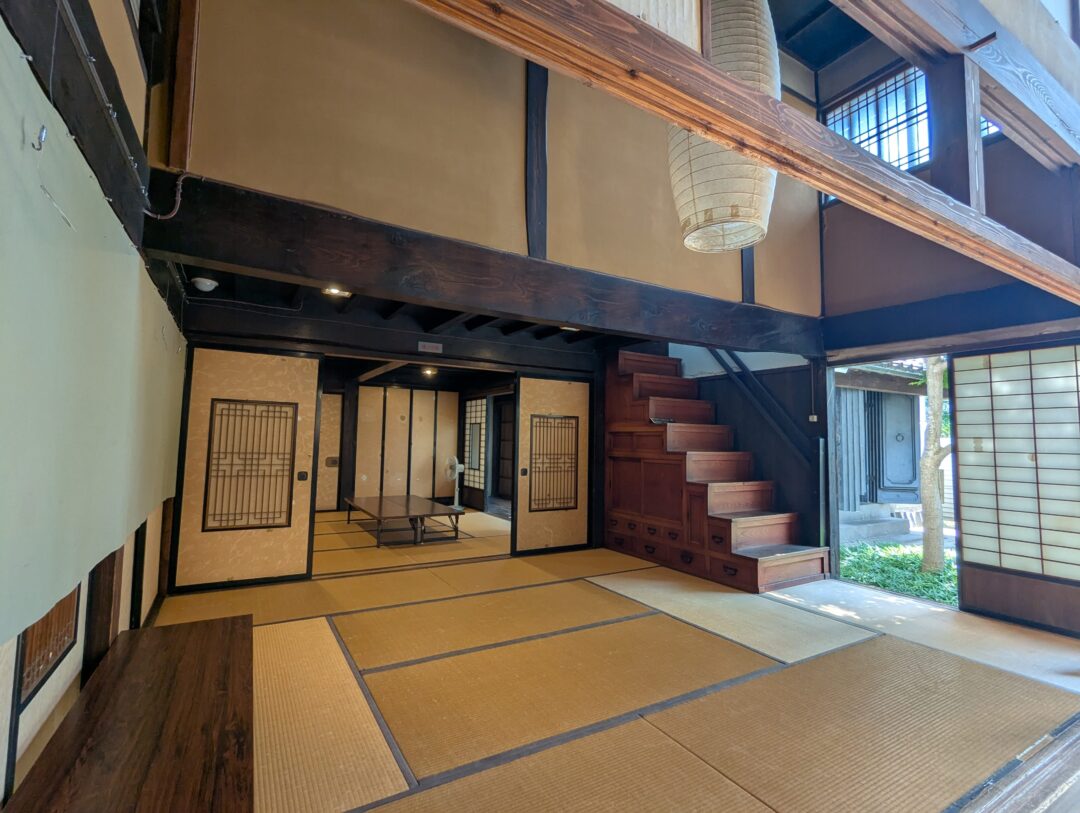
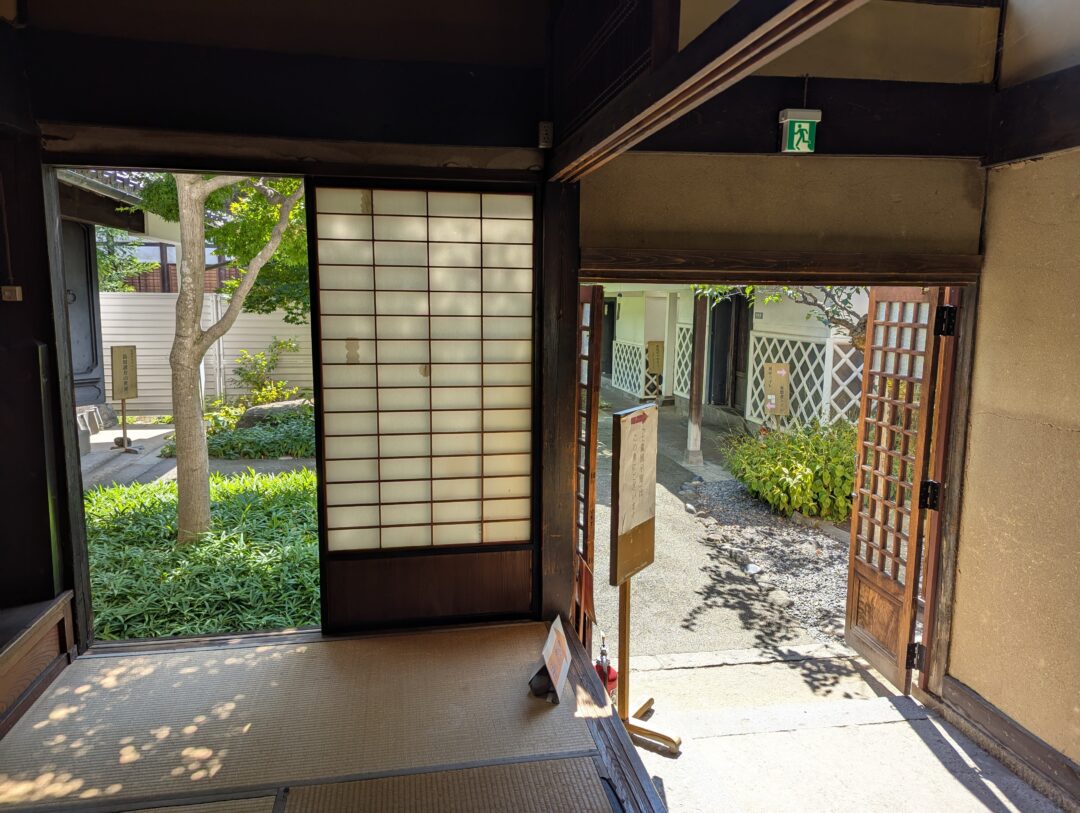
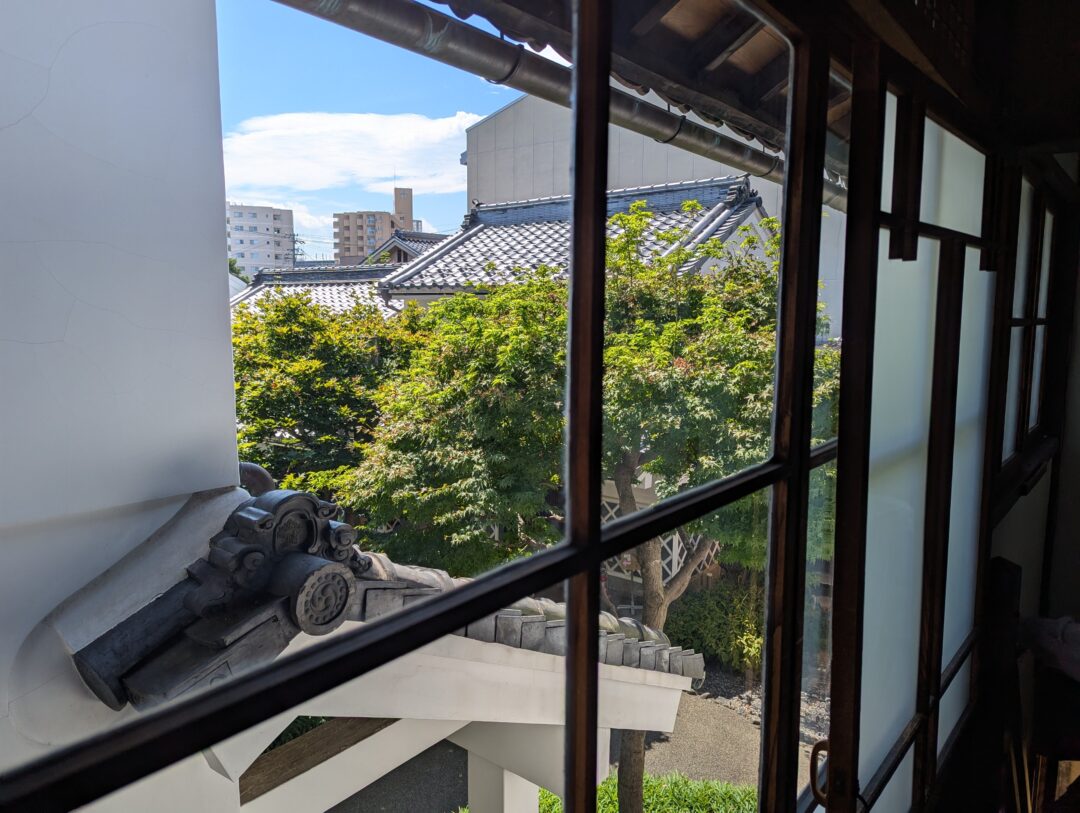
The Mikawaya family built their fortune trading rapeseed oil. It was a vital commodity when Zenkoji’s temple lodgings depended on oil lamps for light. After the devastating Zenkoji Earthquake of 1847 damaged the original structure, they rebuilt with fire prevention as priority. Thick plaster walls, high earthen fences, and sturdy kura storehouses surrounded the peaceful central courtyard. Walking through the rooms today, you can still sense the careful balance of function and understated wealth that characterized merchant life.
Visit and experience a part of Nagano’s history and culture
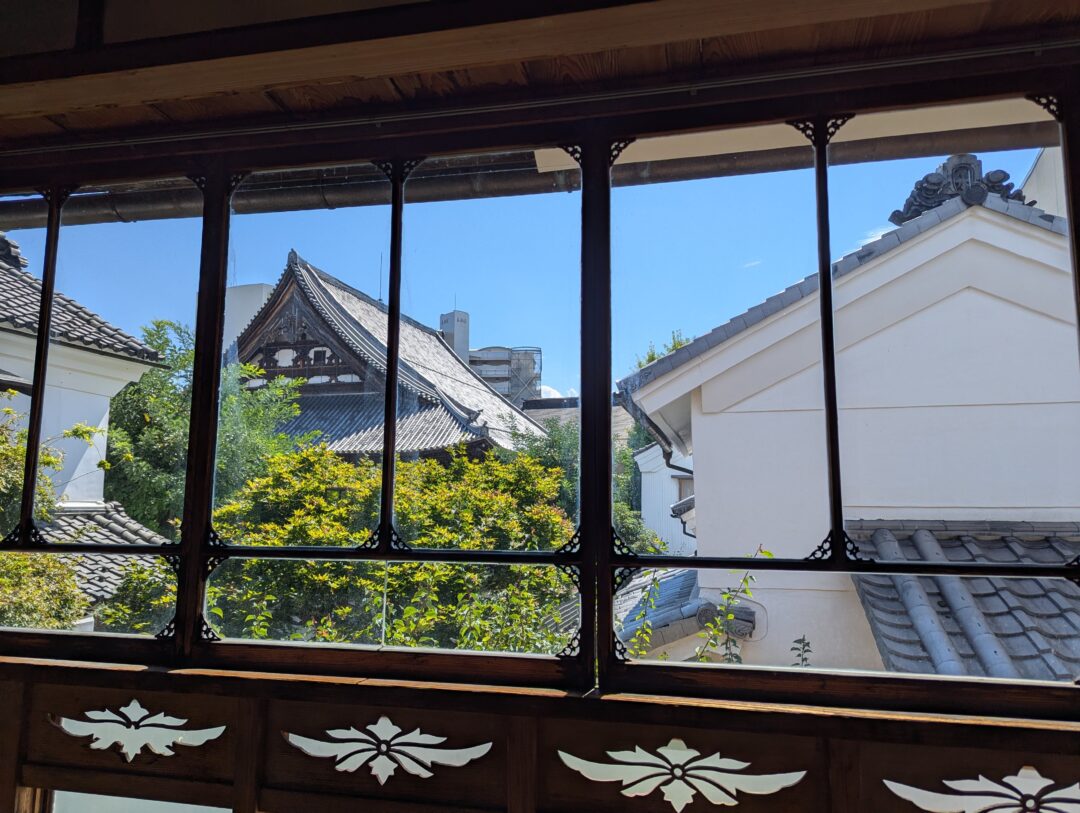
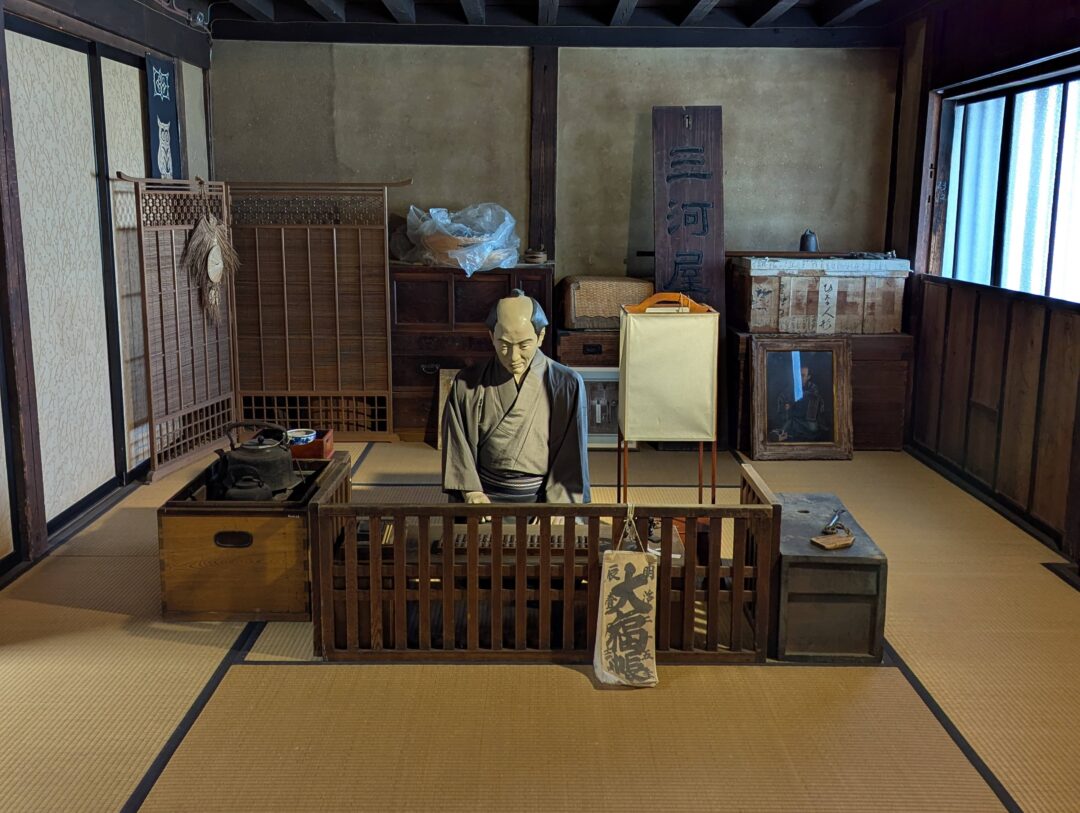
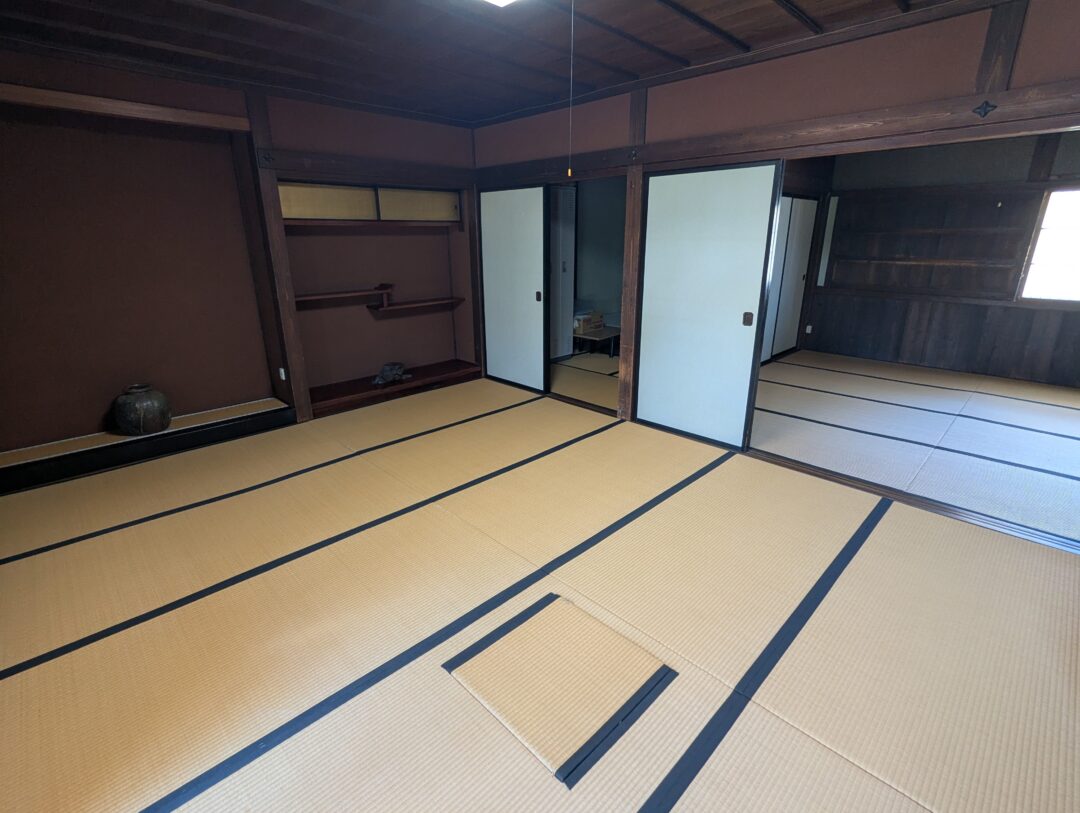
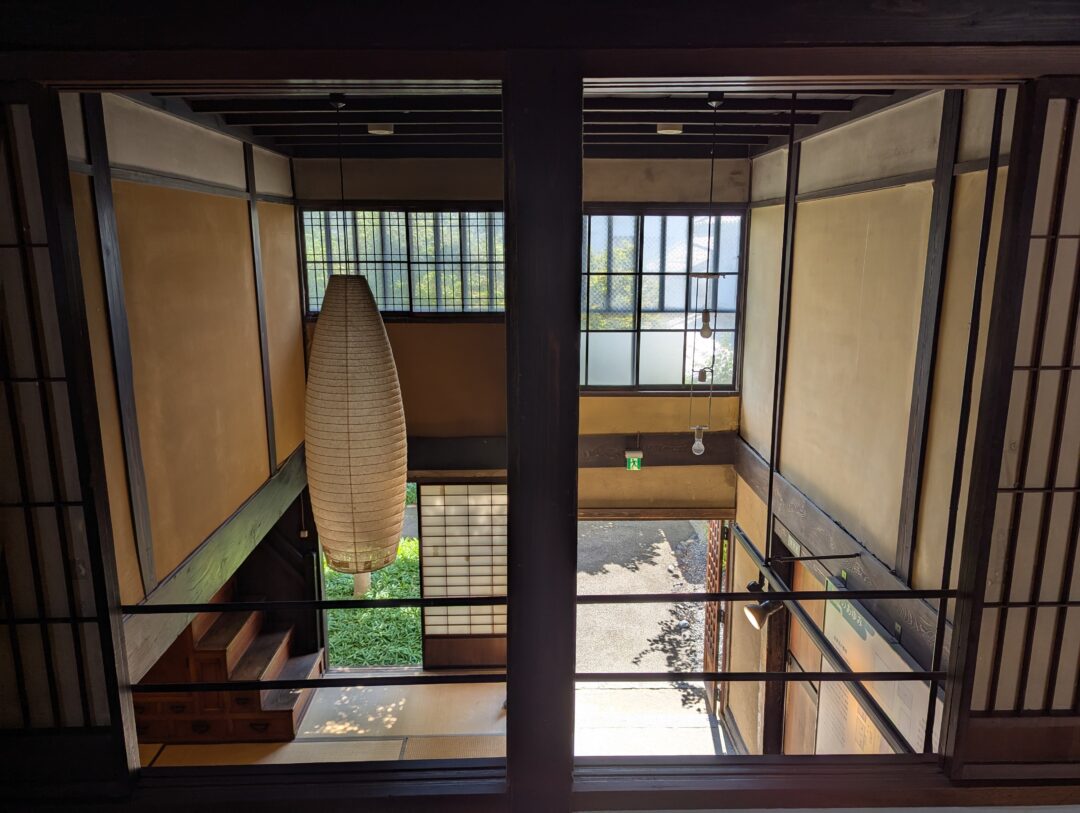
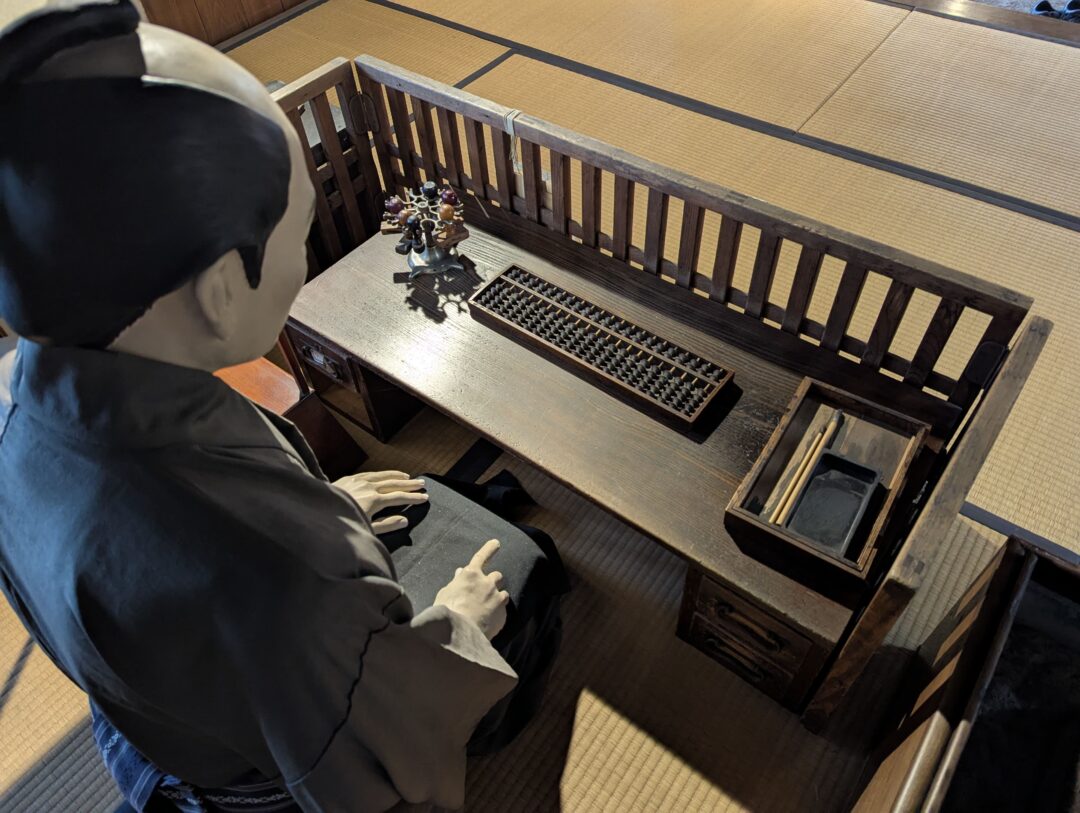
Each room reveals different layers of the business. The front office has been faithfully recreated, complete with sliding shutters that once filtered sunlight during trading hours. Upstairs, the family’s private quarters show more refined touches: distinctive windows, intricate wooden fittings. And lavish decoration that reflected prosperity often kept discreet in Edo-period society.
The building of the former merchant Oirai-kan house carries its own thread of modern history. When Nagano prepared for the 1998 Winter Olympics, the entire structure was carefully moved and rotated 90 degrees to accommodate new roads to Zenkoji. Today it serves as both preserved monument and living cultural space, hosting exhibitions and community events.
The location pairs naturally with Nagano Experience’s popular traditional experiences, including tea ceremony sessions (with or without optional period clothing) that connects visitors directly with living cultural practices and history that merchants like the Mikawaya family would have known.

- See more Tours & Activities

- Read more Articles

- See more Pictures & Videos