Life Outside the Castle Walls: A Glimpse into Feudal Japan
When we think of feudal Japan, it’s often the image of samurai, castles, and great battles that comes to mind. But beyond the armored warriors and shifting power struggles, daily life for most people unfolded quietly in the fields, towns, and alleyways far from the shogun’s court. Farmers, artisans, and merchants made up the foundation of society, living lives shaped more by the seasons than by swords. Discover how was the life outside the castle walls.
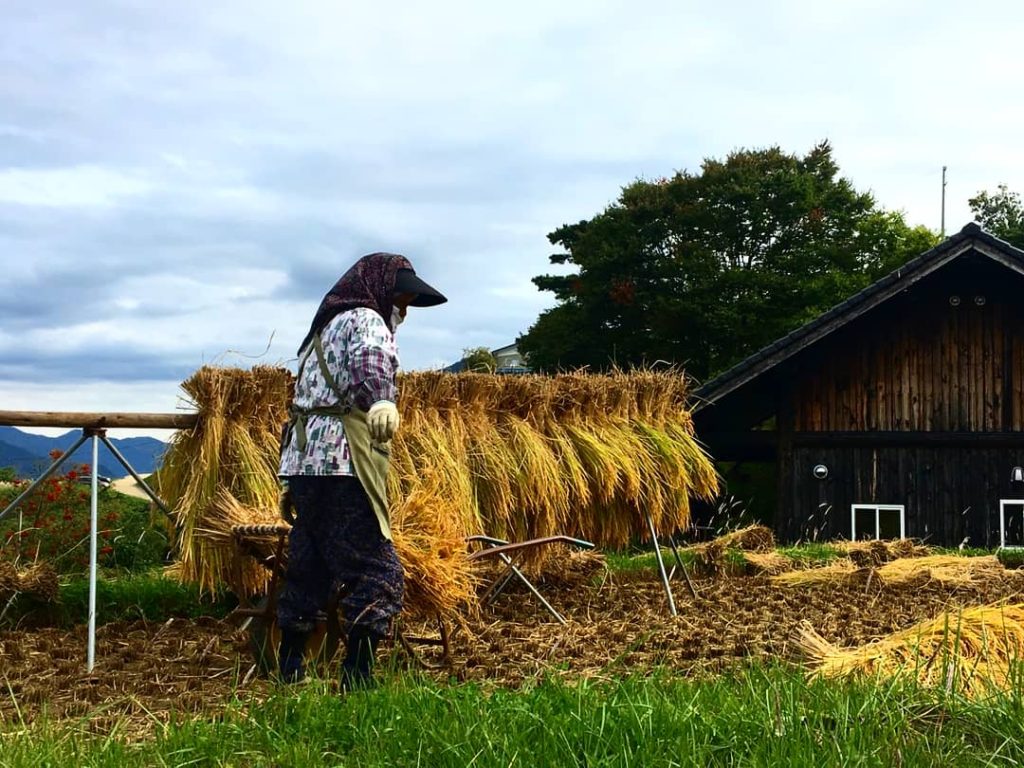
Farmers, artisans, and merchants made up the foundation of society
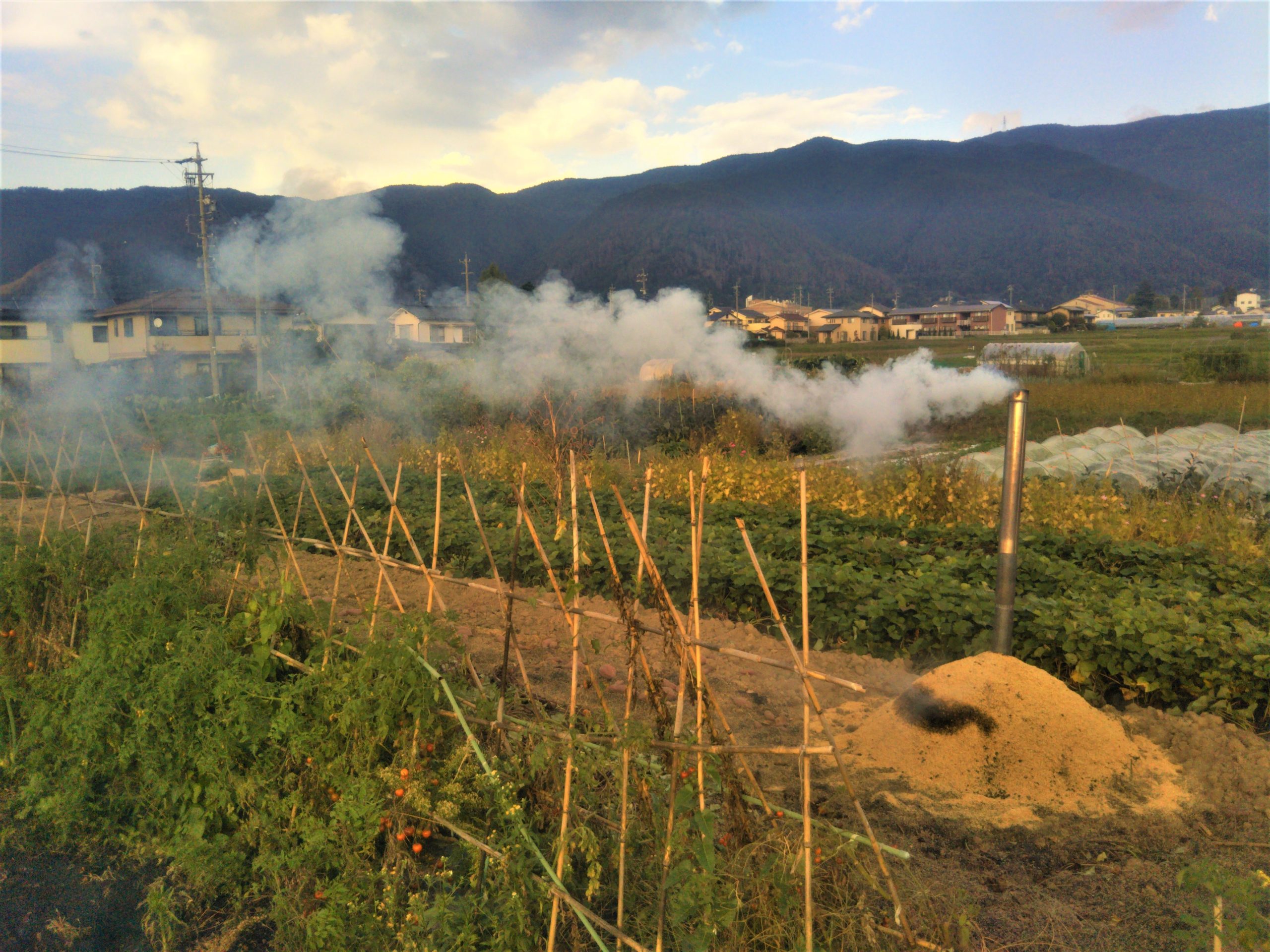
Farmers
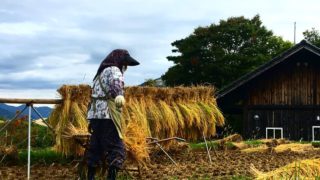
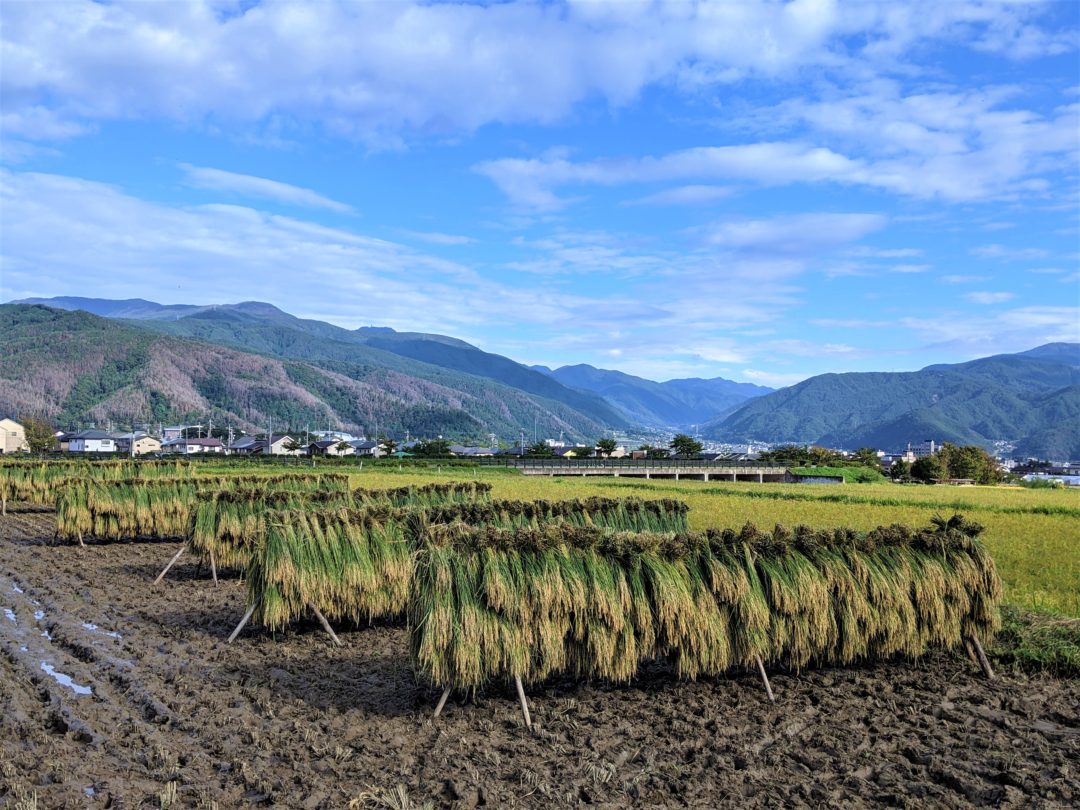
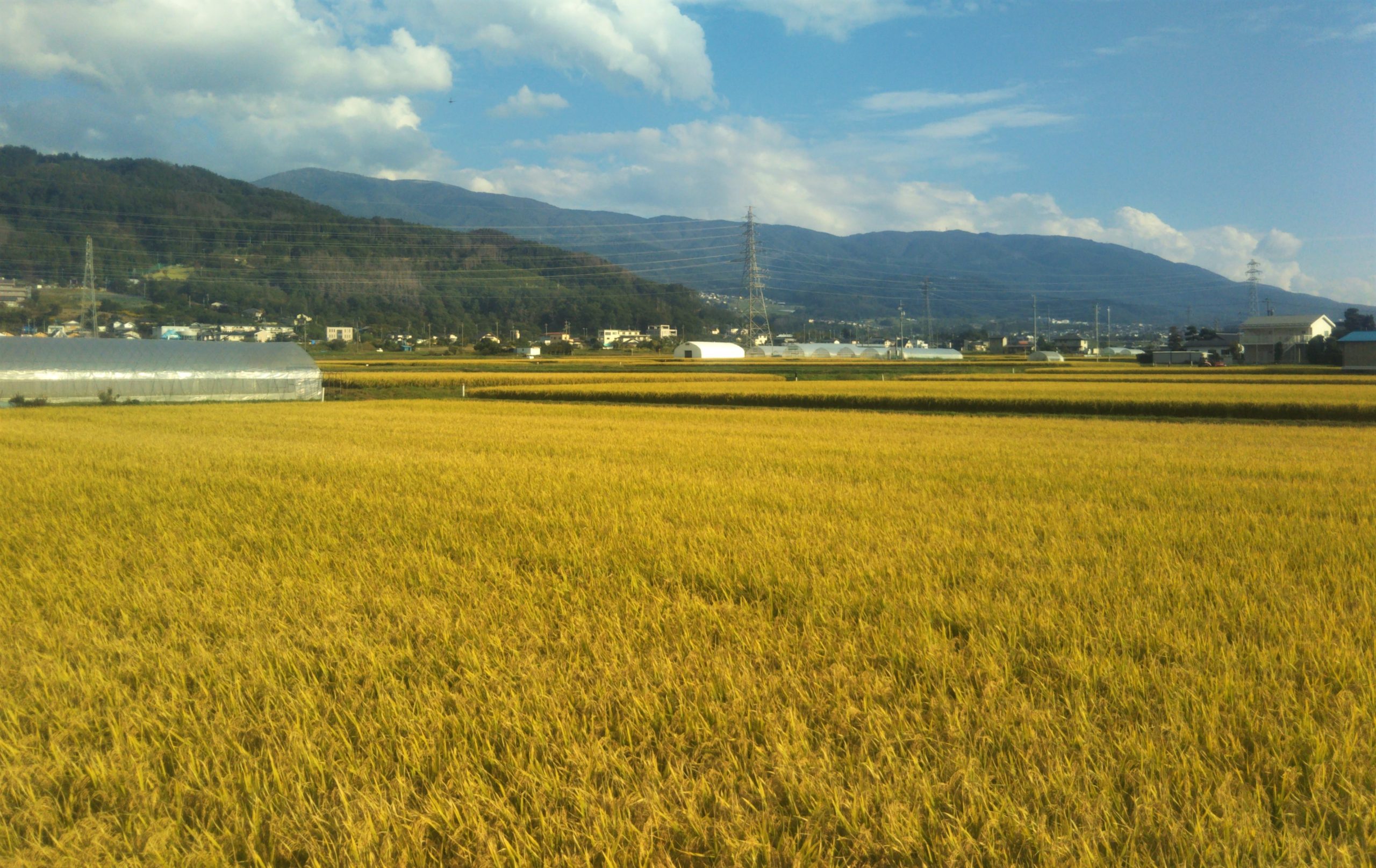
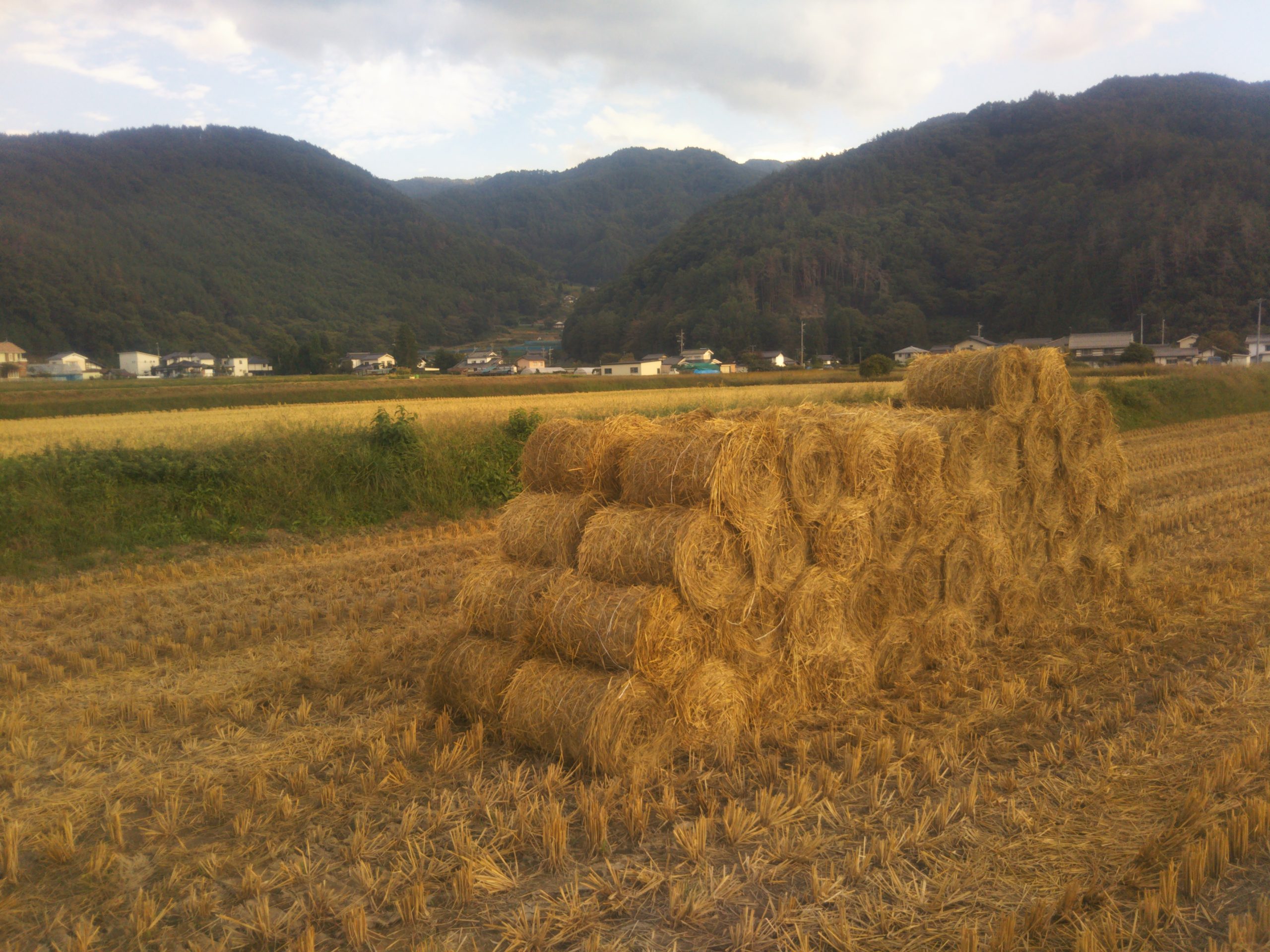
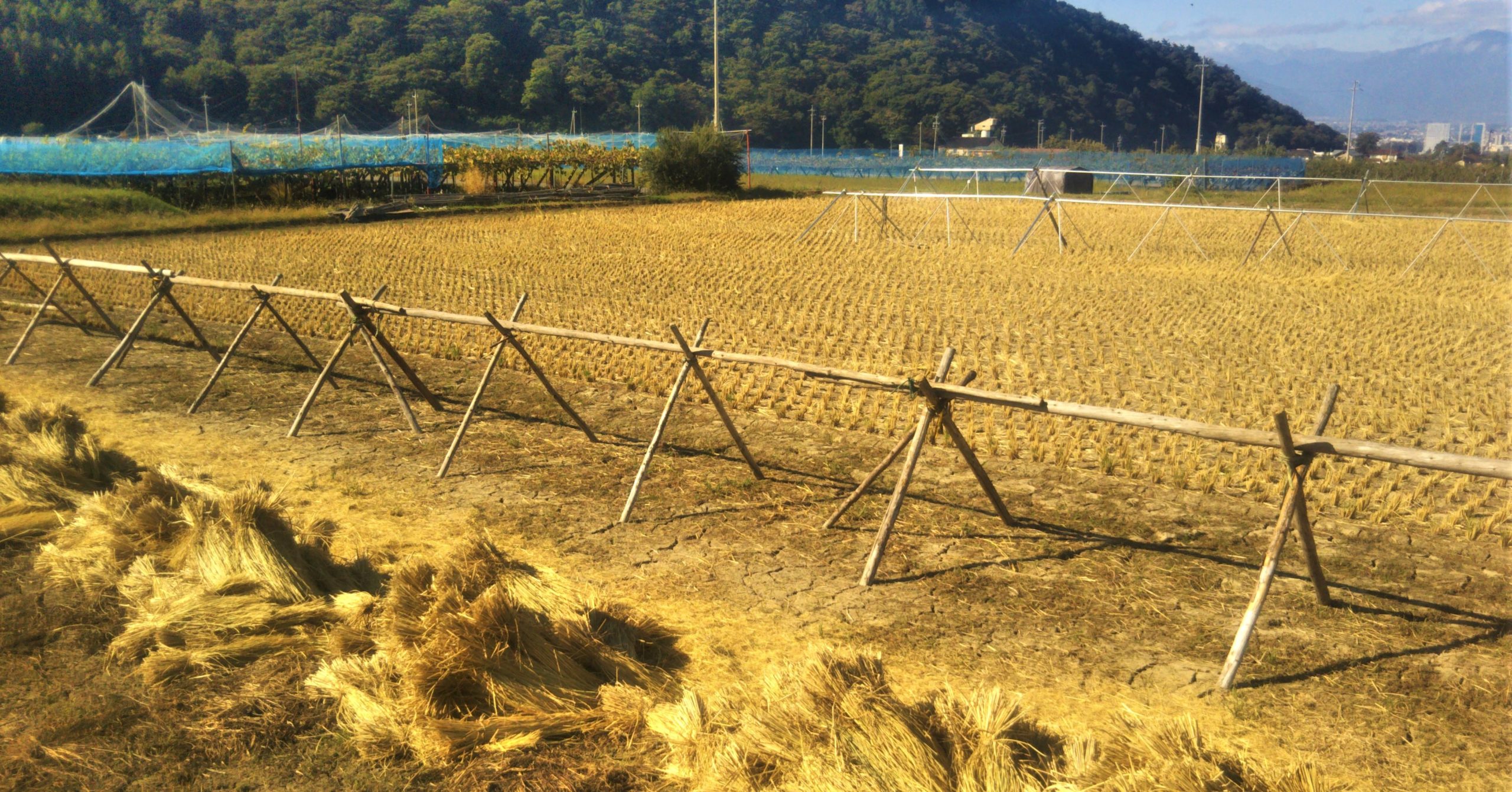
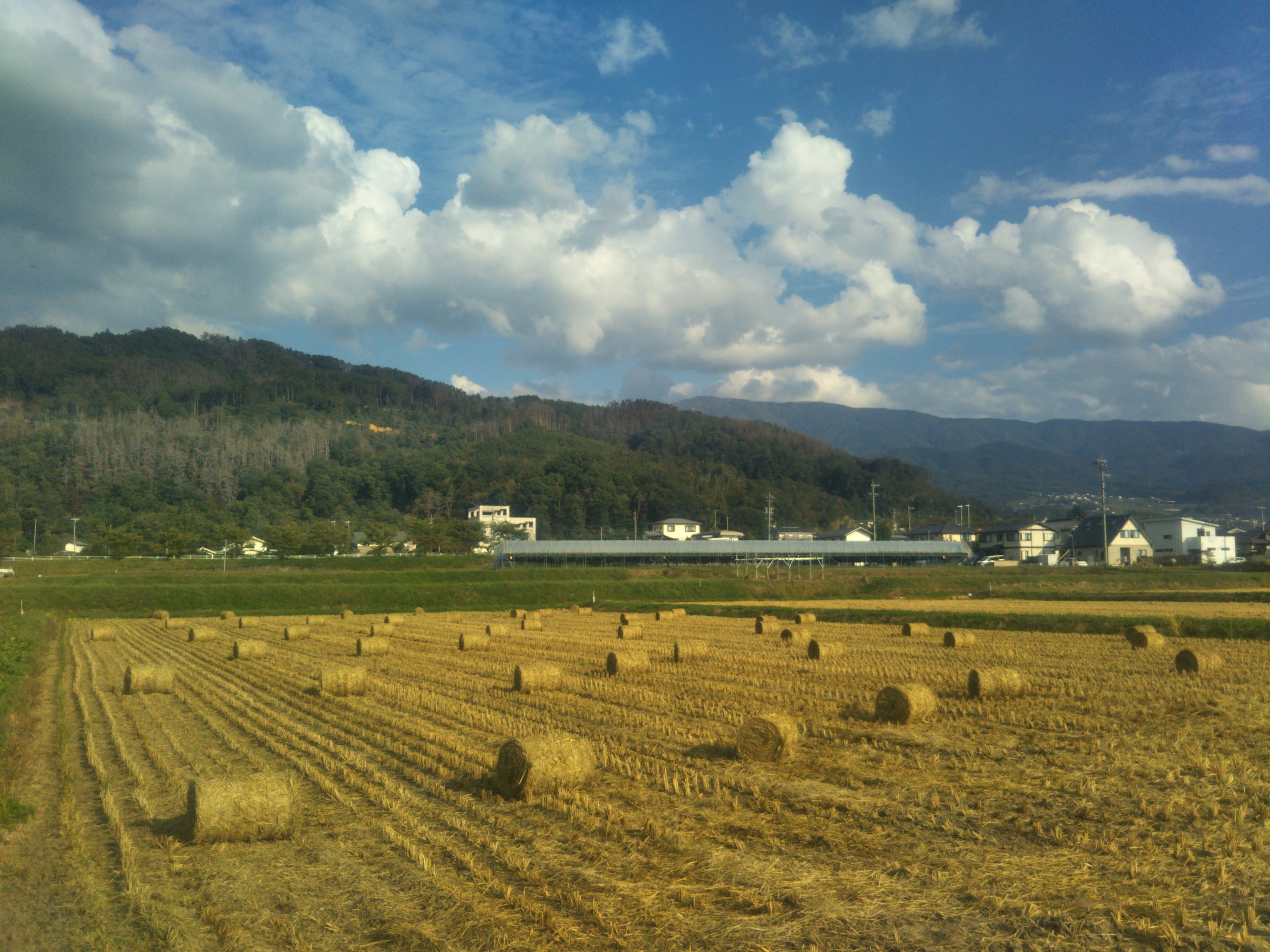
For farmers, life centered around the rice fields. Though considered part of the respected working class, they carried the burden of feeding the country and paying heavy taxes in rice. Their days began early, often before sunrise, and followed the natural calendar from planting to harvest. Villages were tight-knit and cooperative, with shared festivals, rituals, and the unspoken understanding that everyone relied on one another to get through the year.
Artisans
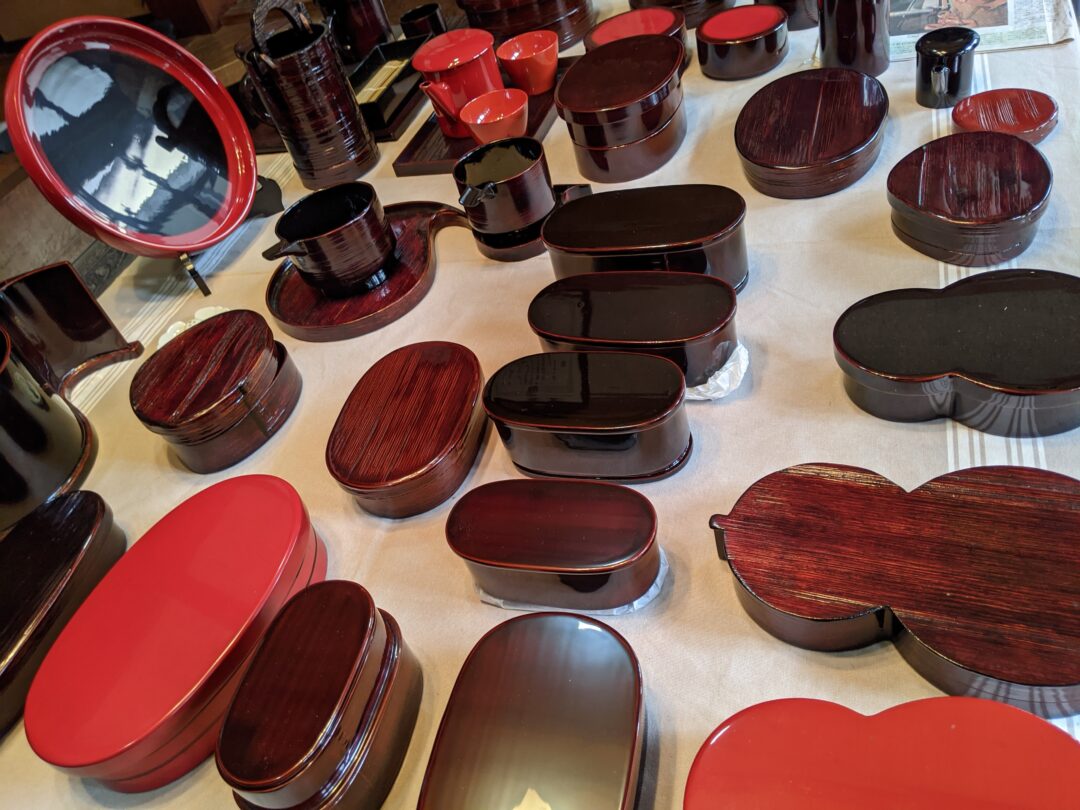
In towns and castle cities, artisans worked quietly in small shops, perfecting skills passed down through generations. A potter, a carpenter, or a blacksmith might spend a lifetime refining a single technique. Most lived in simple homes with earthen floors and sliding doors, where the workshop sat in front and the living space behind. Their work was humble but essential, contributing to everything from temple construction to household goods.
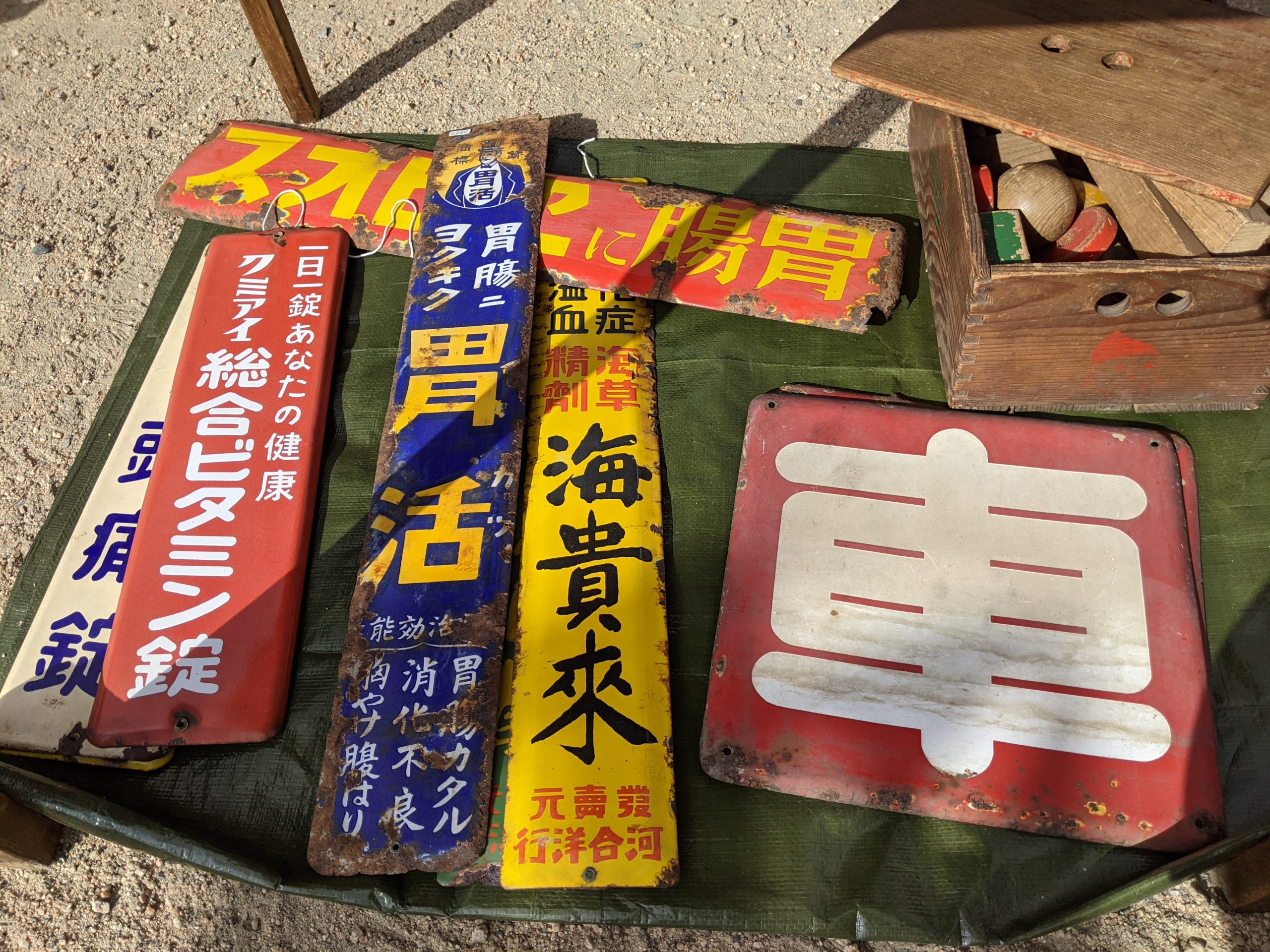

Merchants
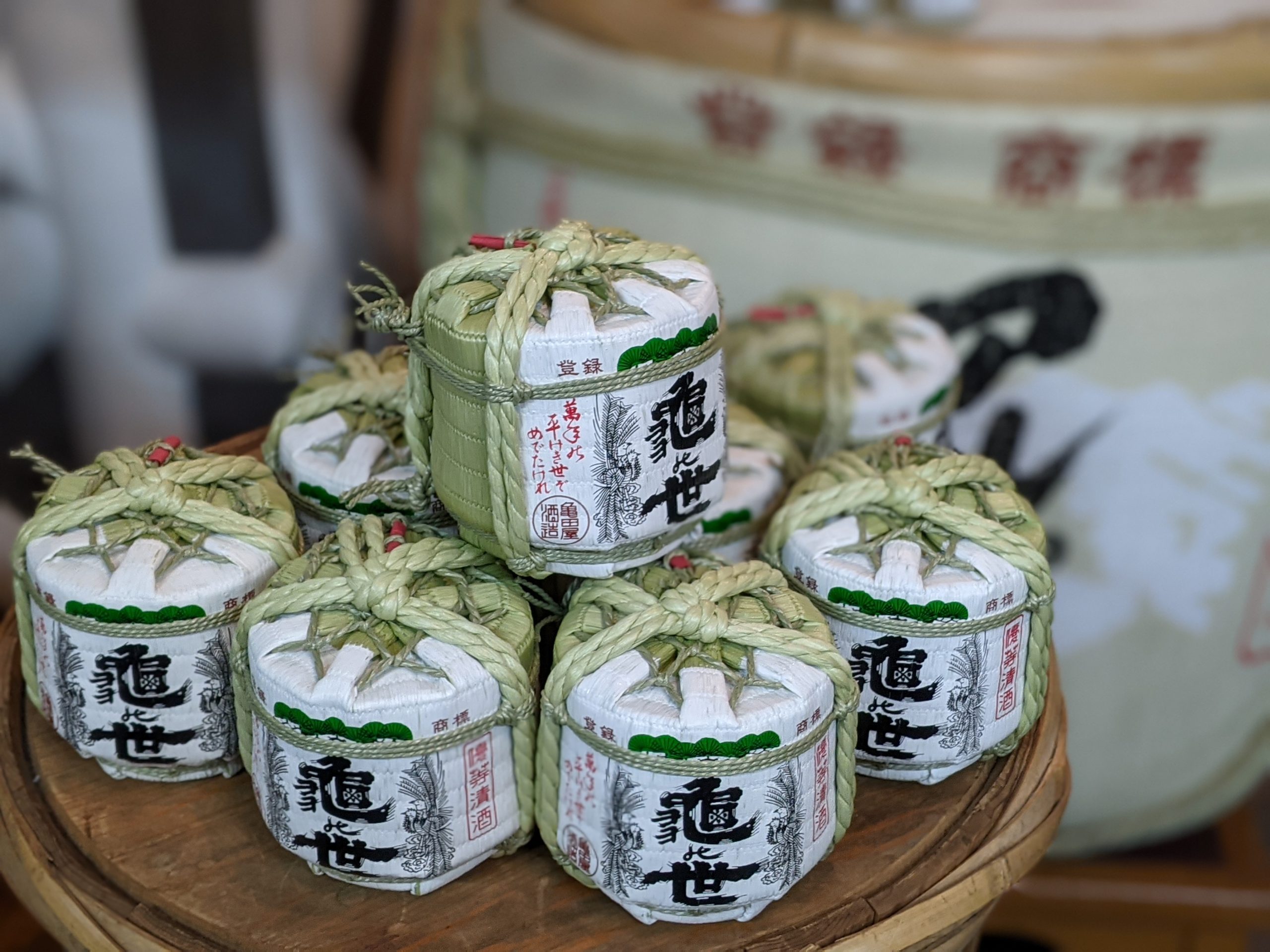
Merchants, while often wealthier, were ranked lowest in the social order. They bought and sold the goods that others made, which was seen as less honorable. Still, by the later Edo period, merchant families were funding art, theater, publishing, and many of the pleasures that gave rise to a rich urban culture. They helped shape the aesthetic of the time, even if they did so quietly from the sidelines.


At Home
At home, meals were built around rice, miso soup, and pickled vegetables. Firewood stoves warmed the house. Children played simple games and joined the family’s trade as soon as they were able. There were no luxuries, but life had its rhythm: steady, rooted, and held together by a shared sense of purpose.


Many of Japan’s preserved towns and farming villages still hold pieces of that past. Visiting one gives a different view of history, not through monuments or armor, but through everyday tools, simple wooden homes, and the quiet traces of ordinary lives well lived.
Author Profile