
Zenkoji Temple: From the Meiji Era to the Present (from 1868 to now)
In Nagano’s quiet temple district, a massive wooden gate marks the entrance to something extraordinary. Zenkoji Temple has been welcoming visitors for over 1,300 years, making it older than most European cathedrals and one of Japan’s most enduring pilgrimage sites. What sets it apart isn’t just its age, it’s the radical idea that still guides it today: everyone belongs here. Discover the history of Zenkoji Temple from the Meiji Era to the present.
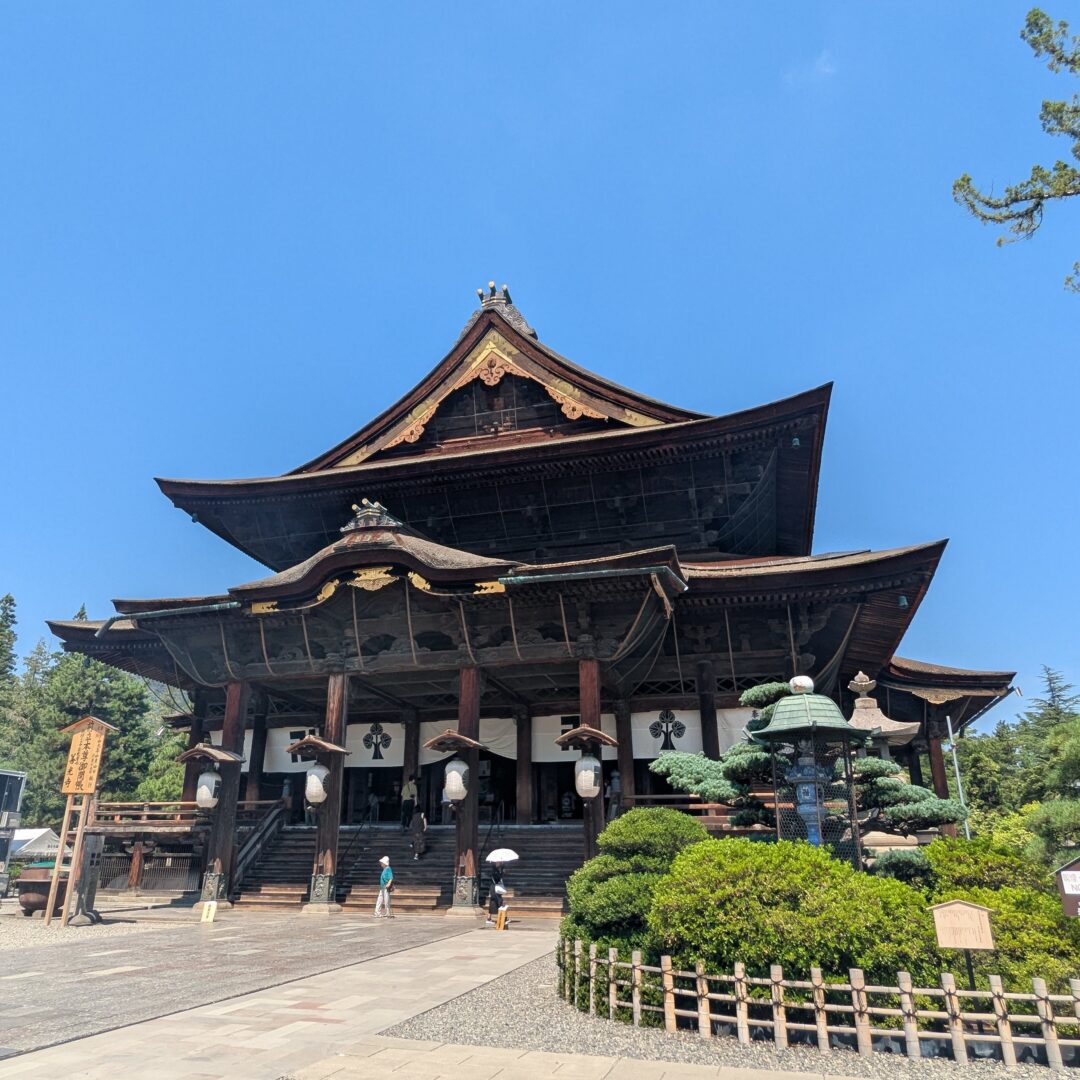
Following up on the first article, Zenkoji’s story didn’t end with the Edo period. The temple has navigated government pressure, war, and rapid modernization while maintaining its role as Japan’s most welcoming pilgrimage destination.
Surviving Government Reform (1868–1912)
When the new Meiji government promoted Shinto as the state religion, Buddhist temples across Japan faced closure or destruction during the ‘haibutsu kishaku’ movement. Zenkoji Temple weathered this storm better than most, protected by strong local support and its reputation as a temple that served ordinary people rather than political elites. The temple lost some of its extensive landholdings during this period but maintained its core religious functions and continued to attract pilgrims from across Japan.
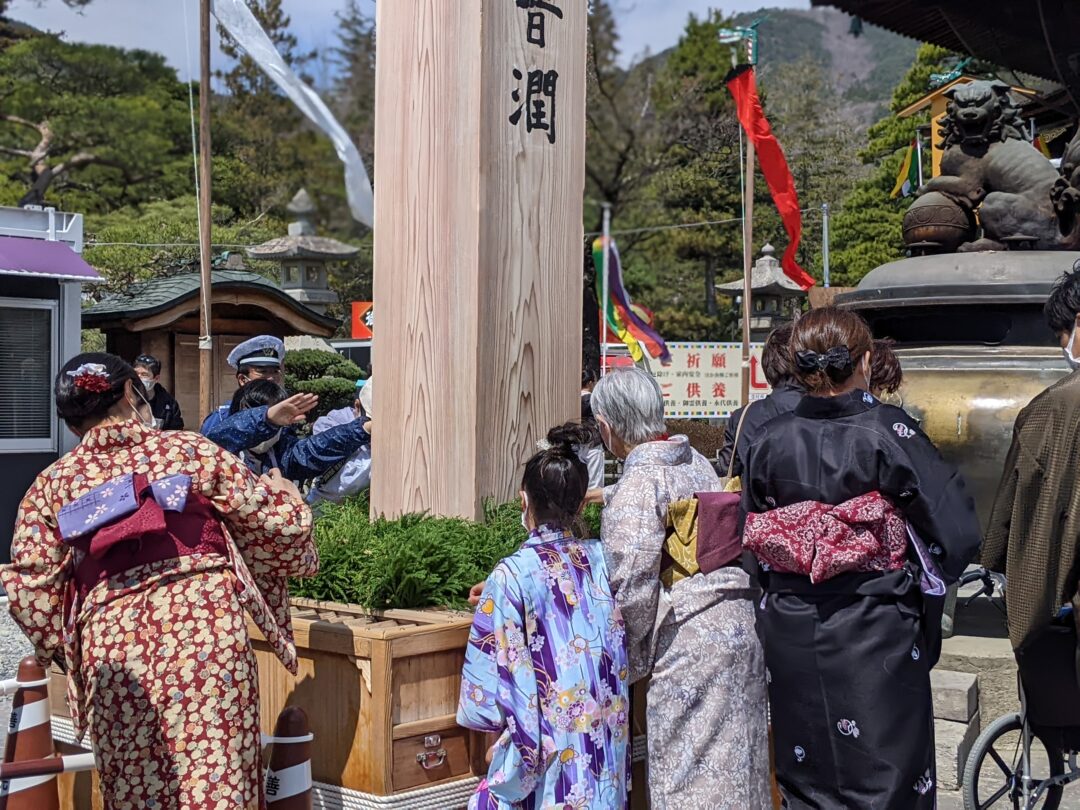
Zenkoji Temple continued to attract pilgrims from across Japan
Wartime Perseverance (1912–1945)
As Japan industrialized and then entered World War II, Zenkoji remained a place of refuge for people seeking spiritual comfort. The temple’s precious artworks and religious objects were carefully protected during the war years. Pilgrimage continued throughout this period, though in reduced numbers due to travel restrictions and resource shortages that affected all aspects of Japanese life.
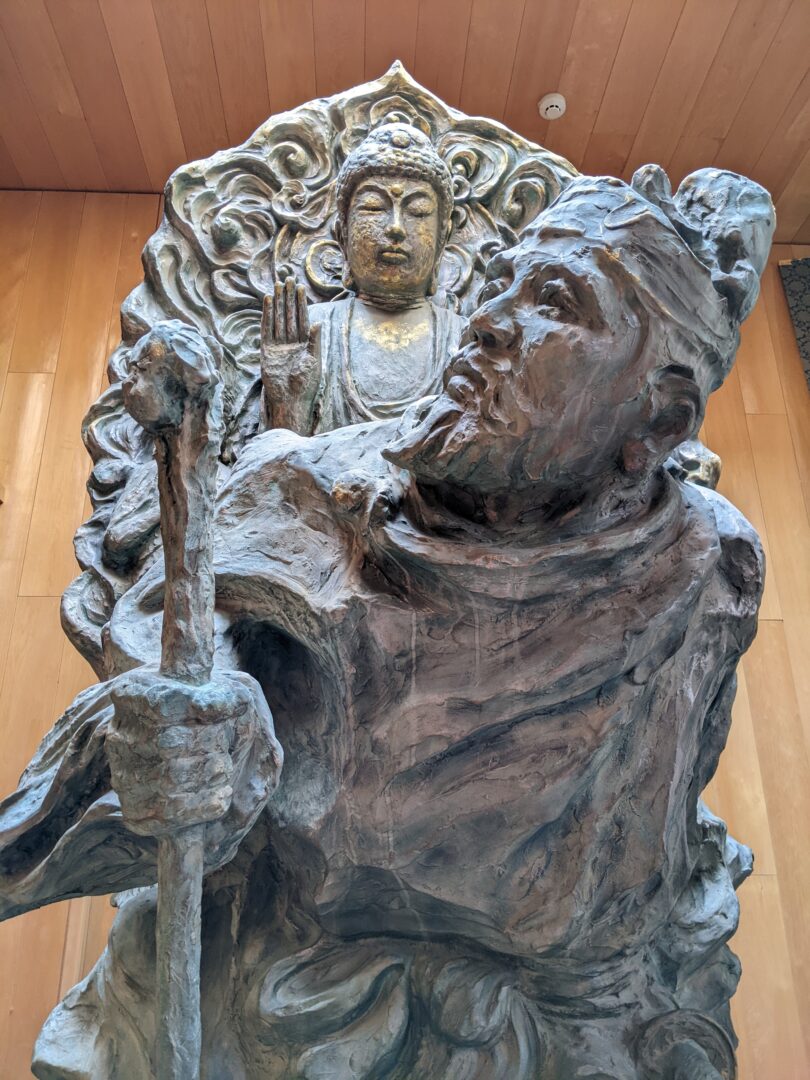
The temple’s precious artworks and religious objects were carefully protected during the war years
Postwar Revival and Cultural Recognition (1945–1989)
After 1945, pilgrimage numbers increased significantly as Japan rebuilt itself. The temple underwent major restoration projects to preserve its historic structures. In 1953, the main hall was designated a National Treasure, recognizing its architectural and cultural importance. These preservation efforts ensured that visitors today can experience the temple’s authentic Edo-period architecture and traditional religious practices.

The main hall was designated a National Treasure in 1953
Olympic Spotlight and Global Recognition (1989–2019)
The 1998 Nagano Winter Olympics brought international attention to Zenkoji. The temple served as the starting point for the Olympic torch relay, with the flame beginning its journey from the temple grounds. This global exposure led to improved visitor facilities and multilingual signage that serves international visitors today. The temple continued its traditional seven-year Gokaicho ceremonies throughout this period, with the 1991, 1998, 2003, 2009, and 2015 events each drawing millions of pilgrims and visitors.

The 1998 Nagano Winter Olympics brought international attention to Zenkoji
Modern Pilgrimage (2019–Present)
Today’s Zenkoji maintains its centuries-old traditions while adapting to contemporary needs. The temple continues its policy of welcoming all visitors regardless of religious background. Daily religious services proceed as they have for generations, and the temple hosts traditional festivals throughout the year.
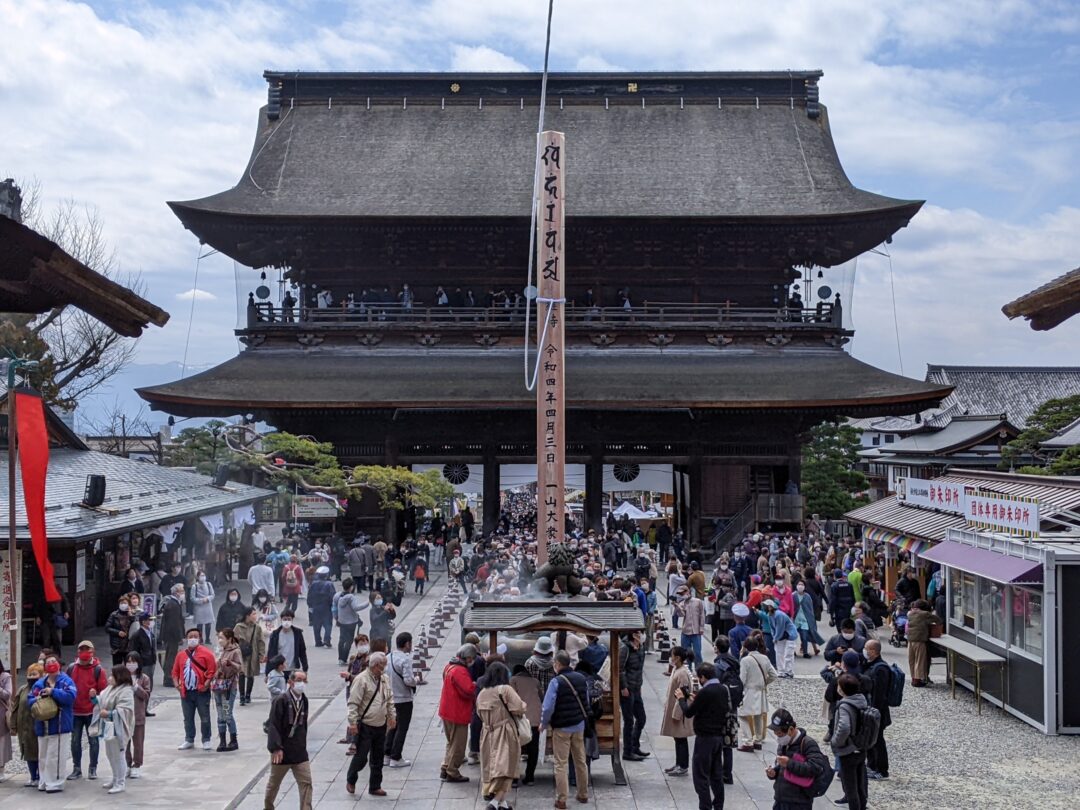
The Gokaicho ceremony is scheduled every 7 years
What Visitors Experience Today
Walking through Zenkoji today, visitors encounter a living religious site that has operated continuously for over 1,300 years. The main hall, rebuilt in 1707, houses daily morning prayers that begin at 6 AM year-round (5:30 AM during summer months). Visitors can observe these services or participate respectfully. The temple’s famous underground passage, the ‘Okaidan’, allows pilgrims to navigate in complete darkness beneath the main altar, a unique spiritual experience found at few other temples in Japan.
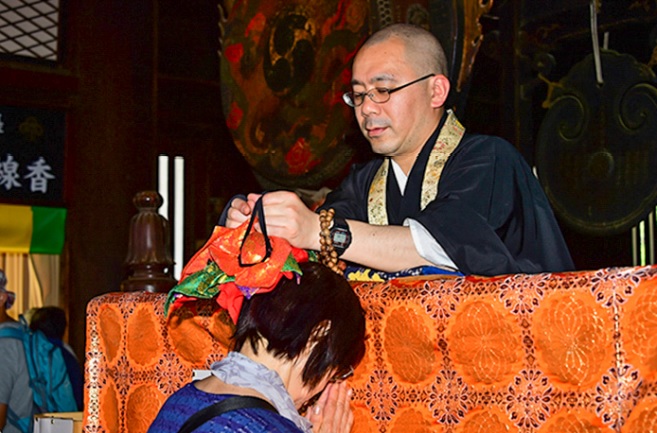
Photo courtesy of Zenkoji Temple
Planning Your Visit
Zenkoji is open year-round from before dawn until sunset. The temple grounds are free to enter, while the inner sanctuary (Naidaijin) and underground passage require admission fees of 500 yen each. The temple is located about 20 minutes on foot from JR Nagano Station, or 10 minutes by local bus to the Zenkoji-mae stop.
The seven-year Gokaicho ceremony next occurs in 2027, when the replica of the hidden Buddha statue is displayed publicly. During these periods, visitor numbers increase dramatically and advance accommodation booking becomes essential throughout Nagano Prefecture.

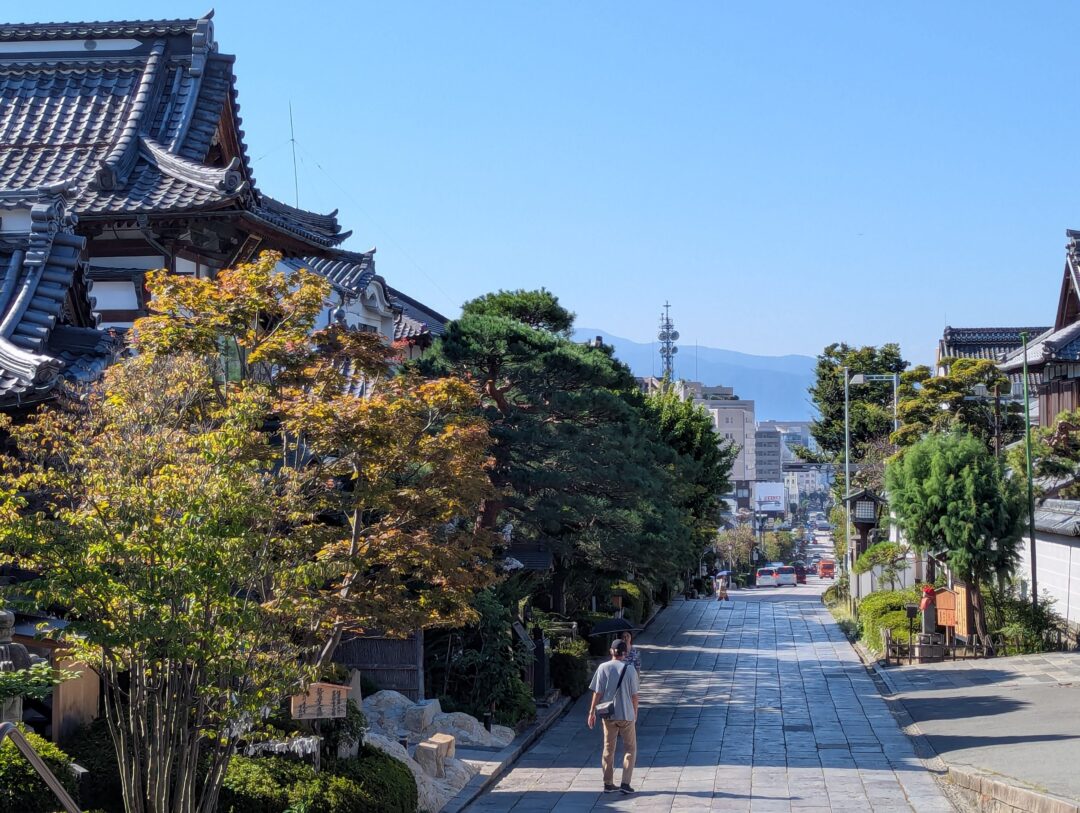
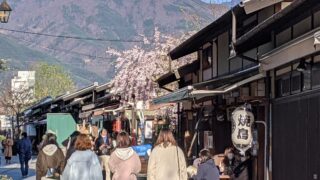
The approach road is bustled with inns, tea houses, and shops
Getting There and Guided Options
Zenkoji Temple sits in central Nagano, easily reached from Tokyo via JR’s Hokuriku Shinkansen (90 minutes to Nagano Station). From the station, local buses run every 15 minutes to the Zenkoji-guchi stop, or it’s a pleasant 20-minute walk through Nagano’s quiet streets.
For visitors wanting deeper insight into Zenkoji’s history and religious significance, we offer guided tours that offer cultural context, and connections to Nagano’s broader spiritual landscape. These tours help unlock the temple’s layered history and provide meaningful encounters with its living traditions.
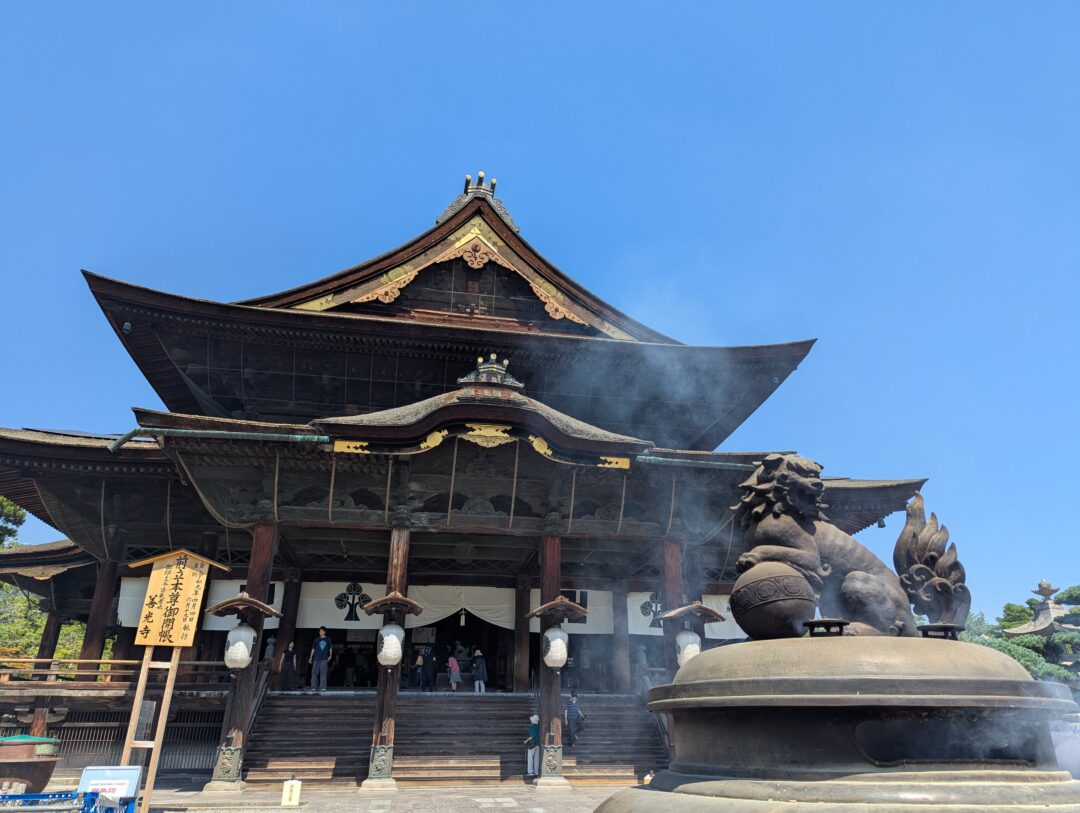
Zenkoji Temple: From the Meiji Era to the Present
Thank you for your reading!
Part 1
Photos Credit & Related Article
Join us on our pilgrimage to Zenkoji Temple as we walk the ancient Zenkoji Kaido Road
Author Profile



One thought on “Zenkoji Temple: From the Meiji Era to the Present (from 1868 to now)”