
The Craft of Magemono in Kiso’s Mountain Towns
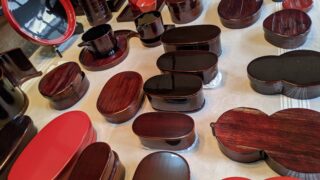
Walk through Narai-juku on a quiet morning and you’ll spot them in shop windows: wooden bento boxes with elegant curved sides, their grain visible through a honey-colored lacquer finish. These are magemono, bentwood containers made using techniques that have served the Kiso region for over four centuries. Discover the craft of magemono in the Kiso valley.

Wooden bento boxes with elegant curved sides
Forest Protection and Economic Adaptation
The craft connects to a particular moment in Japanese history. In the early 1600s, after the Tokugawa Shogunate consolidated power, castle construction and urban development stripped Kiso’s mountains of timber. The Owari domain, a branch of the Tokugawa family which controlled the valley, watched forests disappear at an alarming rate.
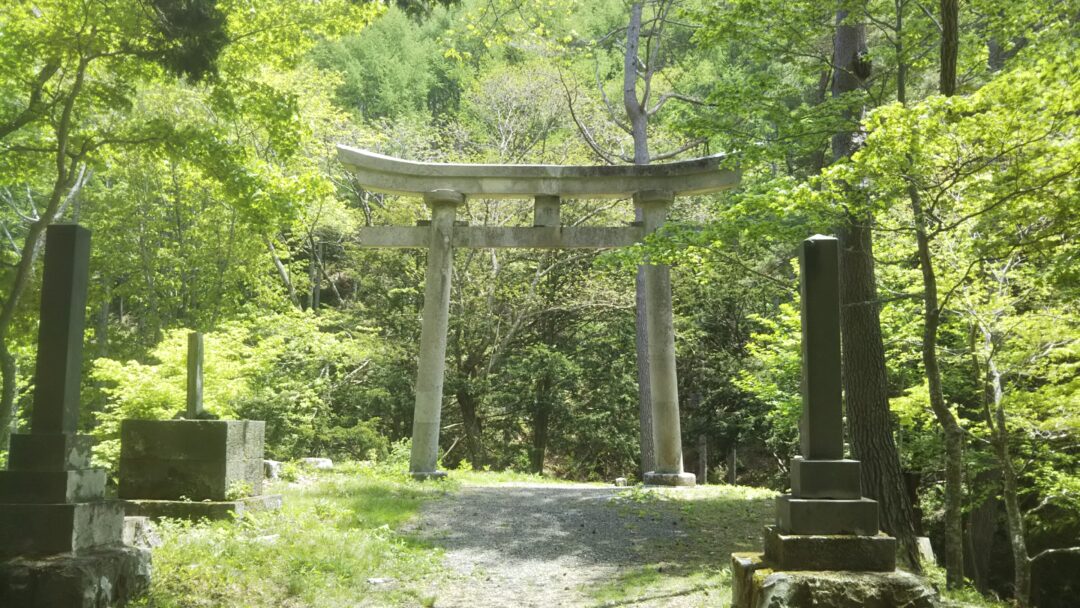
In the early 1600s, the Owari domain controlled the Kiso Valley
In 1665, the Owari domain began restricting access to certain forests. By 1708, they prohibited cutting four specific tree species, adding a fifth in 1718. These five species earned protection under this law, becoming known as the Kiso Five Woods: hinoki, sawara, asunaro, nezuko, and koyamaki. The punishment for unauthorized cutting became known by the phrase ‘one tree, one head,’ suggesting execution, though this harsh language served primarily as a powerful deterrent.
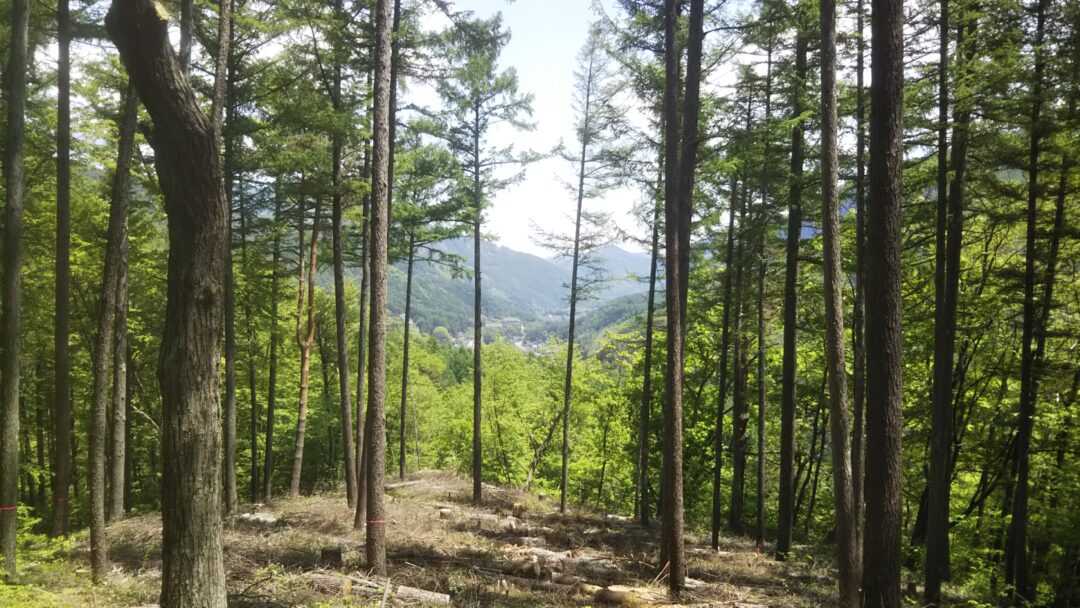
Five specific tree species were prohibited cutting
The policy created an economic problem. Kiso’s residents had long depended on timber work for their livelihoods. The Owari domain’s solution shaped what visitors see in Narai-juku today: they issued permits for limited wood use. In this context, crafts that used small amounts of material, like bentwood containers, made economic sense: craftsmen could create functional, valuable items from thin boards rather than whole logs
Narai-juku’s Role in the Trade
Narai-juku became a center for this work. As one of the busier post towns on the Nakasendo, it offered both a ready market and a distribution network. Travelers bought bentwood containers as souvenirs, carrying Kiso’s reputation across Japan. The craft developed alongside the region’s lacquerware tradition, with many artisans learning to handle both wood and urushi.

Narai-juku Post Town
Wood and Technique
The technique itself requires particular wood properties. Kiso’s harsh winters produce trees that grow slowly, creating tight, straight grain. For magemono, craftsmen traditionally use hinoki for the curved sides and sawara for lids and bases. Hinoki bends well when heated and holds its shape. Sawara resists moisture and doesn’t warp, making it ideal for pieces that will contact food.
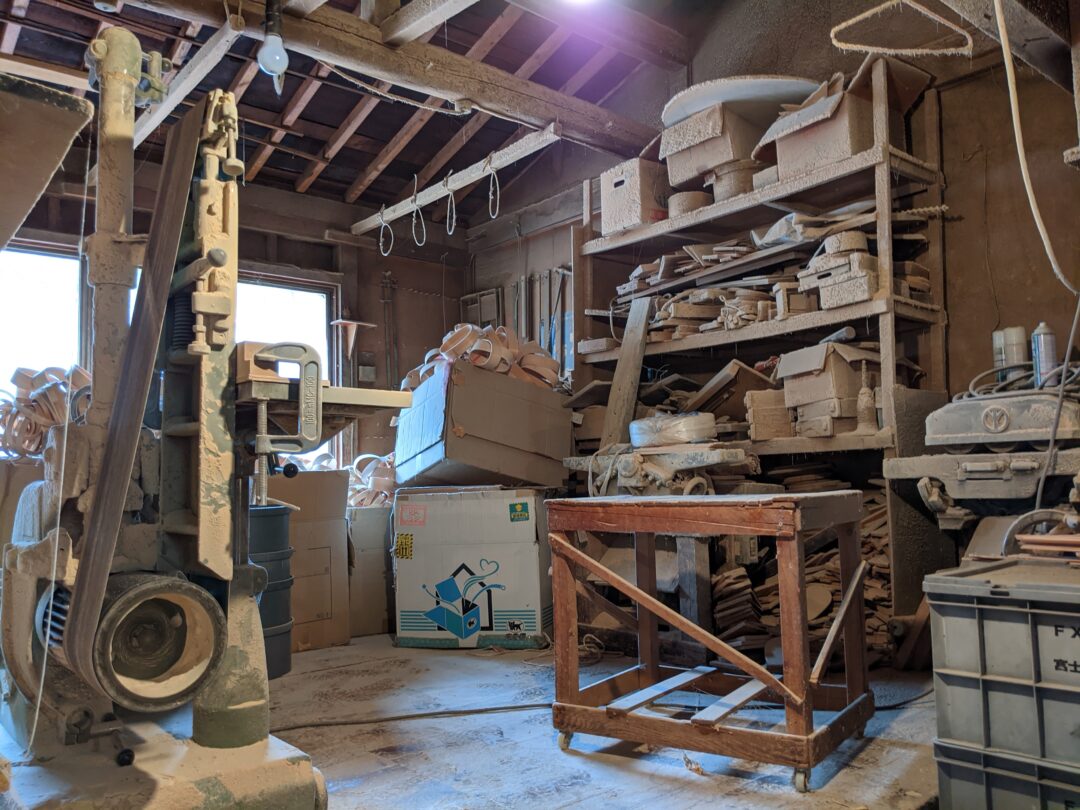
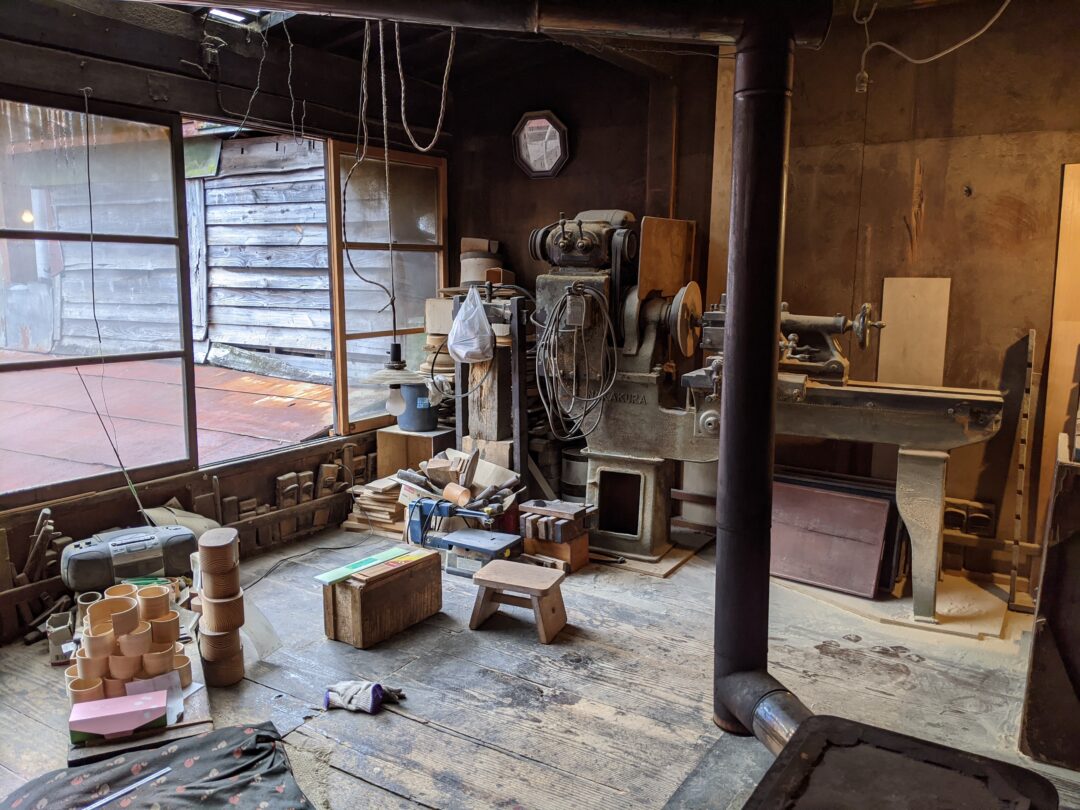
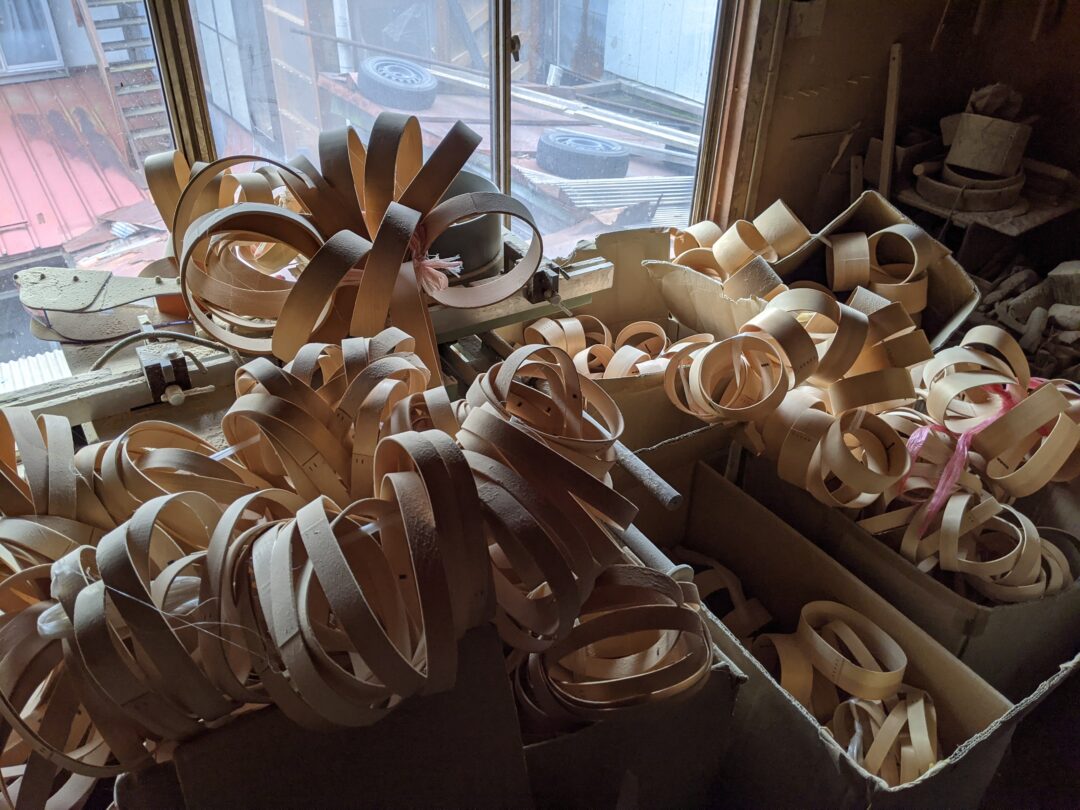
Making a bentwood box involves several precise steps. Thin boards get soaked in hot water until pliable, then bent around forms and secured while they dry. Wild cherry bark stitches the overlapping edges together. The bottom fits into a groove carved inside the walls. The process demands understanding how different woods behave when wet, how much tension they can take, and how they’ll move as they age.
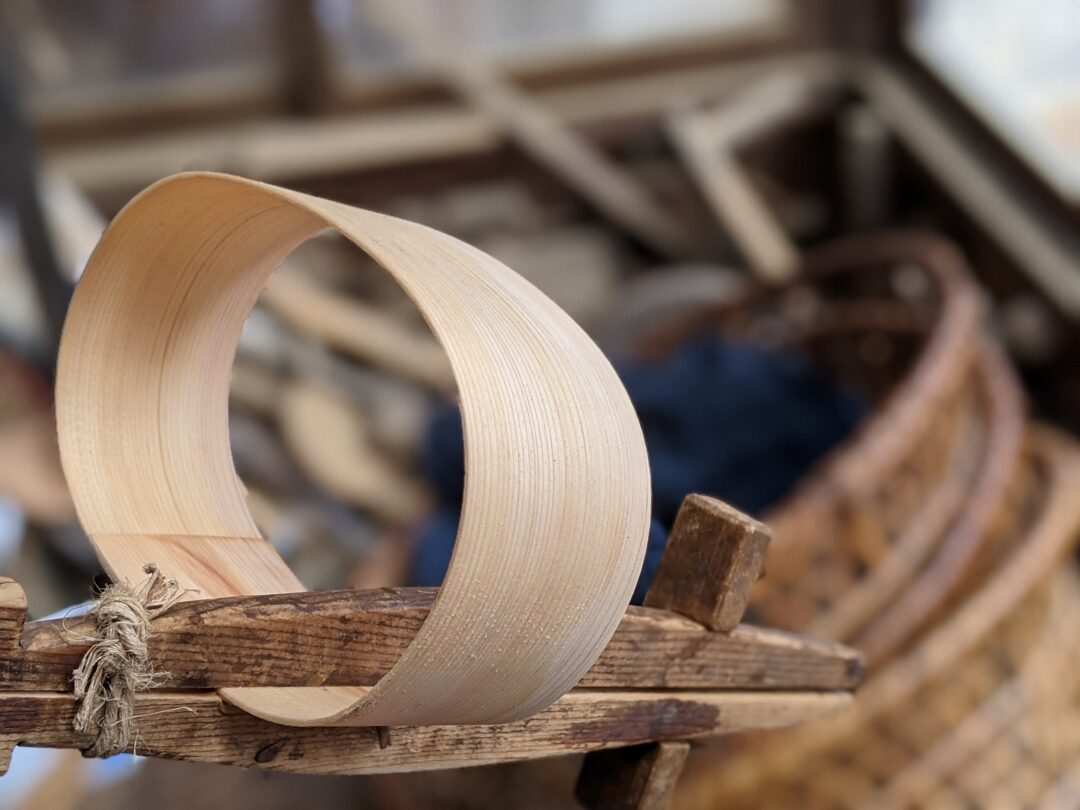
Craftsmen traditionally use hinoki (cypress) for the curved sides
The Kiso Difference
What sets Kiso’s craft of magemono apart is the finishing. Many regions produce bentwood, but Kiso craftsmen developed a lacquer technique called suri-urushi. Rather than building up thick coats, they rub raw lacquer directly into the wood grain. The finish penetrates deep, leaving the wood’s pattern visible while adding water resistance and antibacterial properties. Over years of use, suri-urushi deepens from its initial brown to a warm amber.
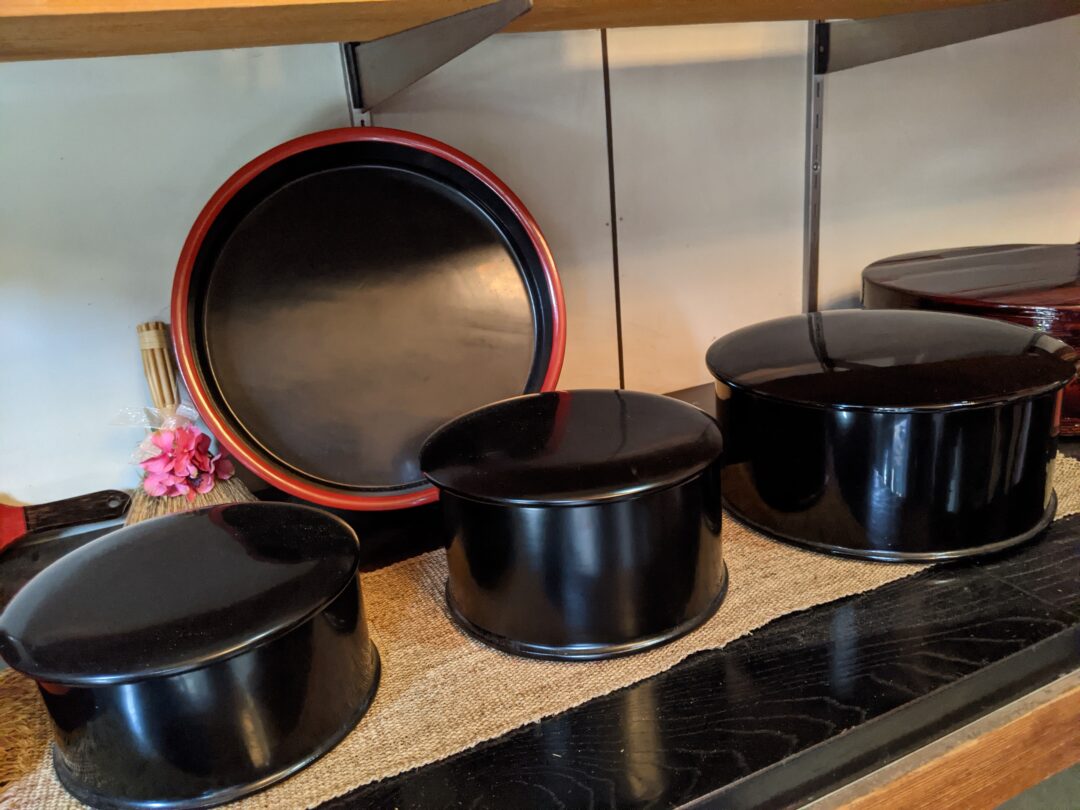
Kiso craftsmen developed a lacquer technique called suri-urushi
This approach differs from more famous bentwood traditions elsewhere in Japan. Akita’s Odate magemono, for instance, often uses cedar and sometimes leaves the wood unfinished. Kiso’s version reflects the region’s dual heritage in both woodworking and lacquer craft.
Survival Through Succession
The craft went into steep decline in the mid-20th century as plastic and metal containers took over. The new materials offered convenience that handmade wooden boxes couldn’t match. Traditional woodworking faced the same succession problem affecting many Japanese crafts: fewer young people chose to spend years learning techniques their parents’ generation practiced.


Narai-juku’s craft of magemono survives today through shops like Kozakaya Shikkiten, where craftsman Takayuki Kojima works as a traditional artisan in the Kiso magemono and lacquerware traditions. Kojima handles every step himself, from selecting timber to applying the final lacquer coats. He’s among a handful of artisans who maintain expertise in both bentwood forming and lacquer finishing, skills that were once divided between specialists.
Function Over Form
The bentwood containers you’ll see in Narai-juku serve the same purposes they always have: lunch boxes, rice storage containers, sake cups. The craft hasn’t become museum-piece preservation. These items work in contemporary kitchens because the original design solved practical problems that haven’t changed. Wood absorbs excess moisture from rice, keeping it from getting soggy. The natural antibacterial properties of hinoki and urushi help food stay fresh without refrigeration. The lightweight construction makes carrying lunch convenient.
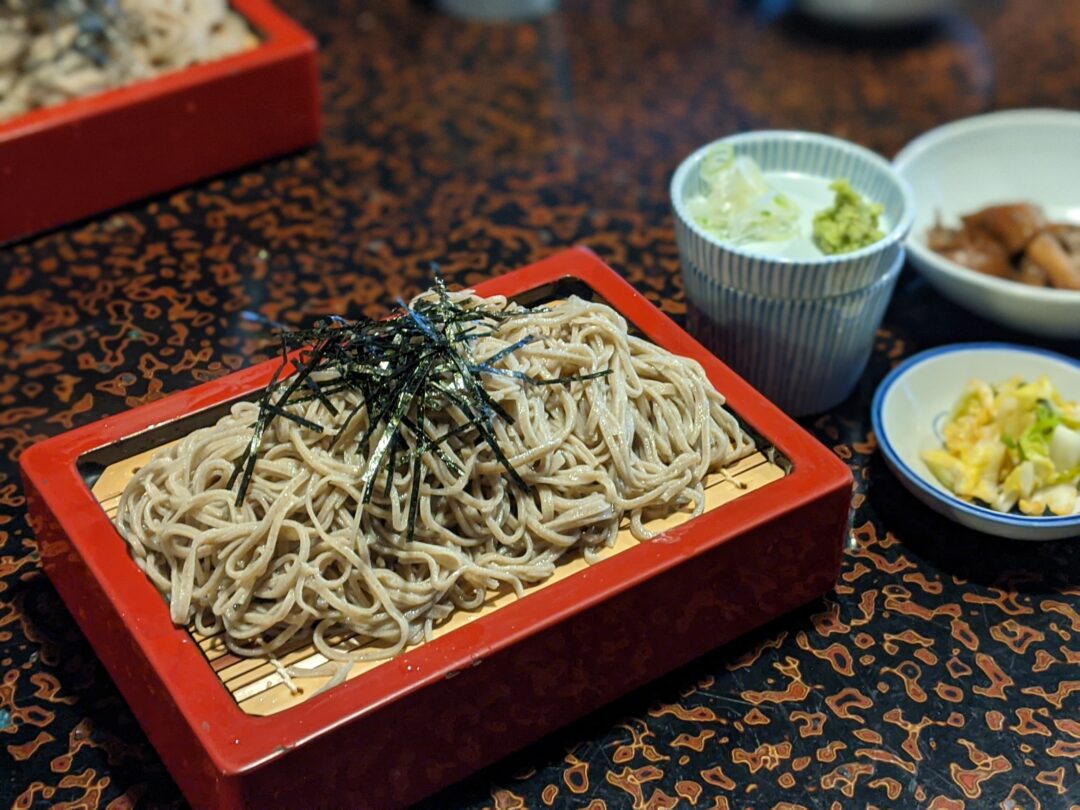
The craft of magemono is used in contemporary kitchens
Visitors to Narai-juku can find the craft of magemono at several shops along the main street, where finished pieces sit alongside other Kiso specialties: lacquered combs, turned wooden bowls, and the region’s distinctive furniture. The boxes range from simple lunch containers to nested sets designed to stack for storage. Each carries the grain pattern of the wood it came from and the maker’s approach to shaping and finishing.
Author Profile




One thought on “The Craft of Magemono in Kiso’s Mountain Towns”